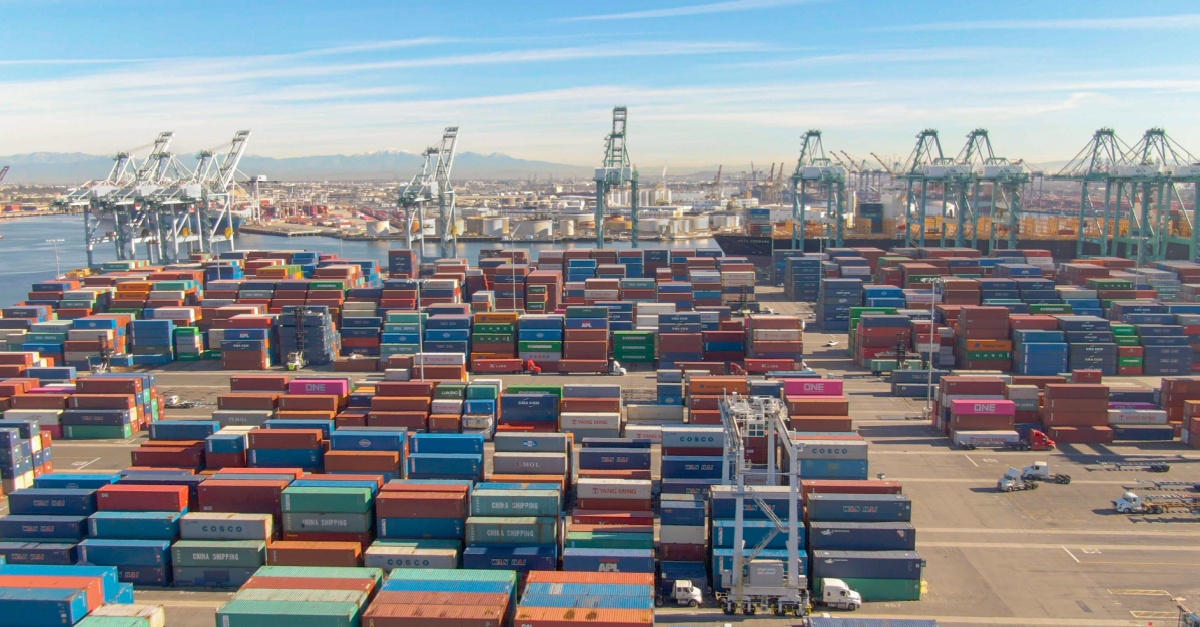
It is common for shippers to clamor for lower freight rates and bigger warehouses for inland operations. But with Southern Californian ports’ tendency toward congestion, distance trumps those two factors because every extra mile from the port eats up time, adds fuel, and multiplies dwell charges. This article explains why location near the ports of LA and Long Beach matters and how keeping drayage, transloading, and yard space close to the water speeds up your entire supply chain.
Keeping your drayage operation within five miles of the terminal gates shortens truck cycles and avoids gridlock. In a city where even a 10-mile move can take 45 minutes, the value of terminal proximity is clear. Port-adjacent drayage ensures faster pickups and returns by reducing driver idling time in traffic and increasing time spent turning over containers. In contrast, longer drayage runs delay transloading, leave trucks unavailable for the next load, and raise the odds of late fees.
During high-volume periods, a flexible yard space acts like a buffer between the port and the shipment’s destination. Although many shippers rely on off-site yards, when there is congestion, moving a container across town only to sit in another queue wastes time and increases drayage rates. But when your yard is close to the terminals at the ports of Long Beach or Los Angeles, you can temporarily house your containers before drayage bottlenecks or warehouse backups derail your schedule.
Transloading near the port enables quick container unloading and outbound truck repackaging, eliminating long hauls and additional cargo transfers. With a near-dock transload facility, a container can land in the morning, be unloaded by afternoon, and be loaded with full truckloads for the Inland Empire or Southwest before sunset. When transloading facilities are located farther out, you can lose half a day just in transit — sometimes more if drayage availability is tight.
Near-dock transloading facilities are especially valuable during peak seasons, given the spike in import volumes and crowded terminals. The longer you hold a container, the more it costs. Local transloading enables faster trailer loading, reducing delays for outbound freight.
Short-haul trucking is one of the most effective solutions for the container dwell problem. When your shipping operations can keep drayage loops under 10 miles, drivers can complete multiple turns in a shift — sometimes three or more. On the flip side, that level of throughput is almost impossible when your transloading facility is 30 miles out. Long hauls tie up trucks, stretch driver hours, and cause dispatch delays. Even if your warehouse rent is lower inland, the trade-off is higher cost per container and slower cargo velocity.
When drayage, yard space, and transloading are provided by the same third-party logistics partner, cargo handoffs are much faster, and communication is more streamlined. For example, a local operation with visibility into the terminal can reroute trucks when port conditions change. Yard staff can prep containers for unloading the moment they arrive, and transloading teams can stage freight with full visibility into outbound trailers. That coordination means less waiting, fewer handoff errors, and better cargo control.
Being near the port doesn’t just cut costs. It gives you the flexibility to make fast decisions when conditions change. For instance, if a terminal opens unexpected slots or a vessel unloads early, your local drayage partner can pick up boxes immediately. If your customer changes routing, a local transloading facility can adjust the outbound trailer before it leaves the yard. Basically, that level of proximity gives you options. And in port logistics, options protect you from risk.
Golden State Logistics was structured with this exact setup in mind. With locations just minutes from the ports of LA and Long Beach, the company provides drayage, transloading, and yard access in a single local footprint. Shippers using GSL move freight faster because they don’t wait on trucks, handoffs, or scattered communications. And our team of experts handles containers from the port gate to the outbound trailer with less distance, fewer delays, and tighter control. Want the kind of speed and flexibility that guarantees resilience? Let’s talk today.
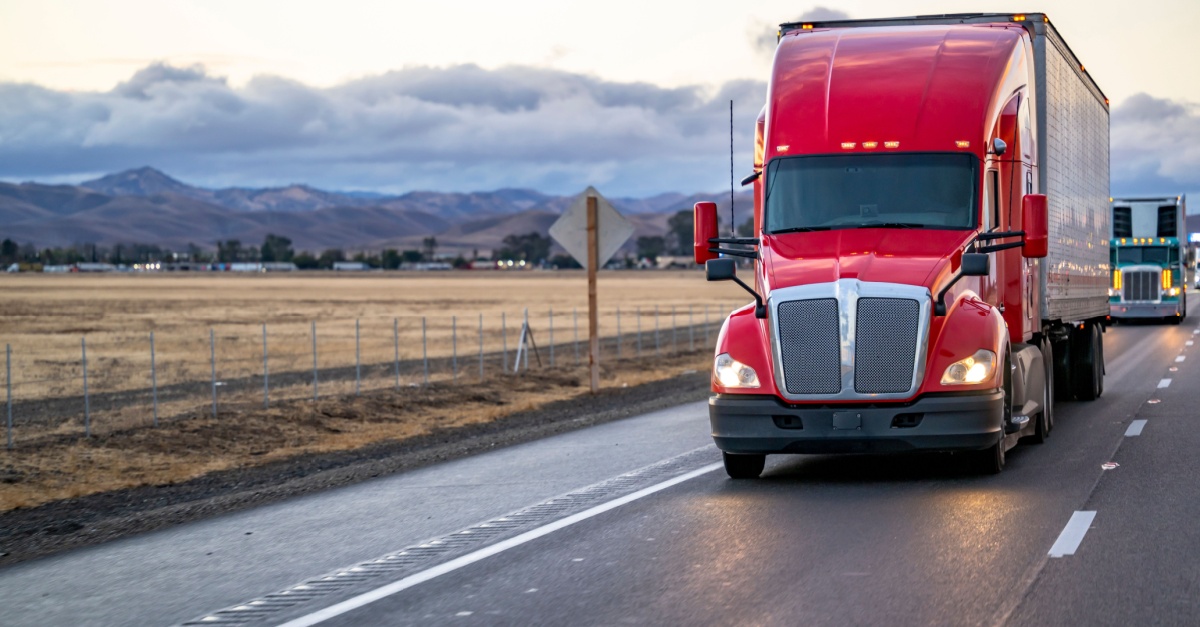
Despite the innovation in logistics and transportation processes, long-haul inland transportation is still a headache. Unfortunately, shippers are paying the price, constantly struggling with late deliveries, high costs, damaged goods, and unpredictable delays.
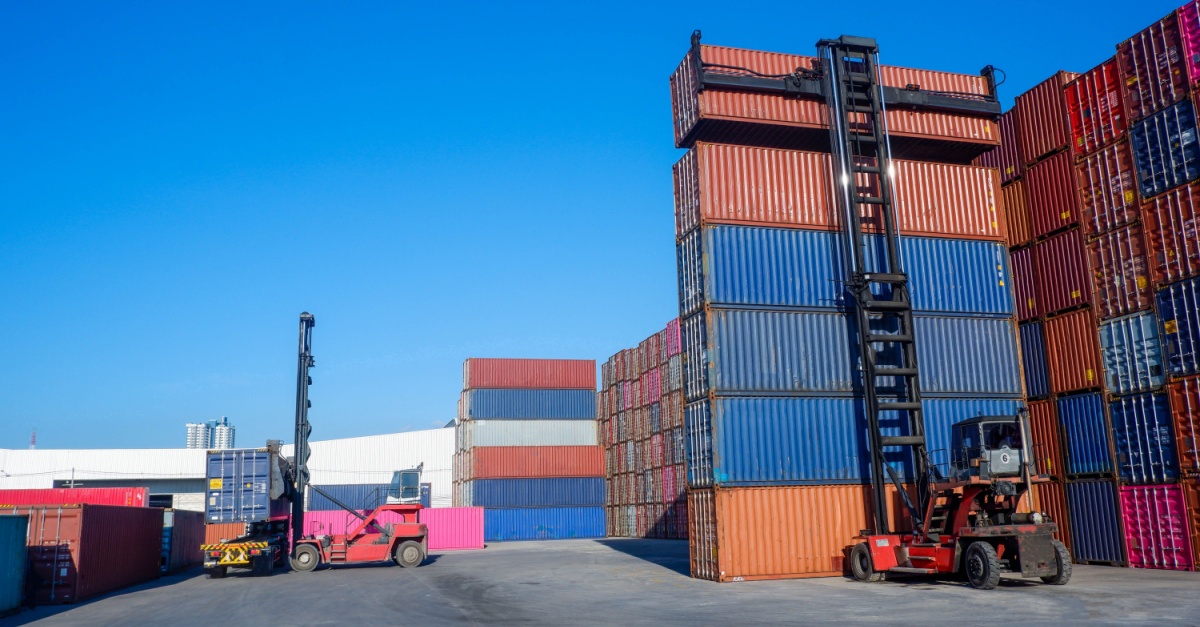
At Golden State Logistics, we know the challenges shippers face in Los Angeles and Long Beach. Our expert teams and resources allow you to design services matching your cargo needs.
2999 East Pacific Commerce Drive Rancho Dominguez, California 90221
Oakland, CA


