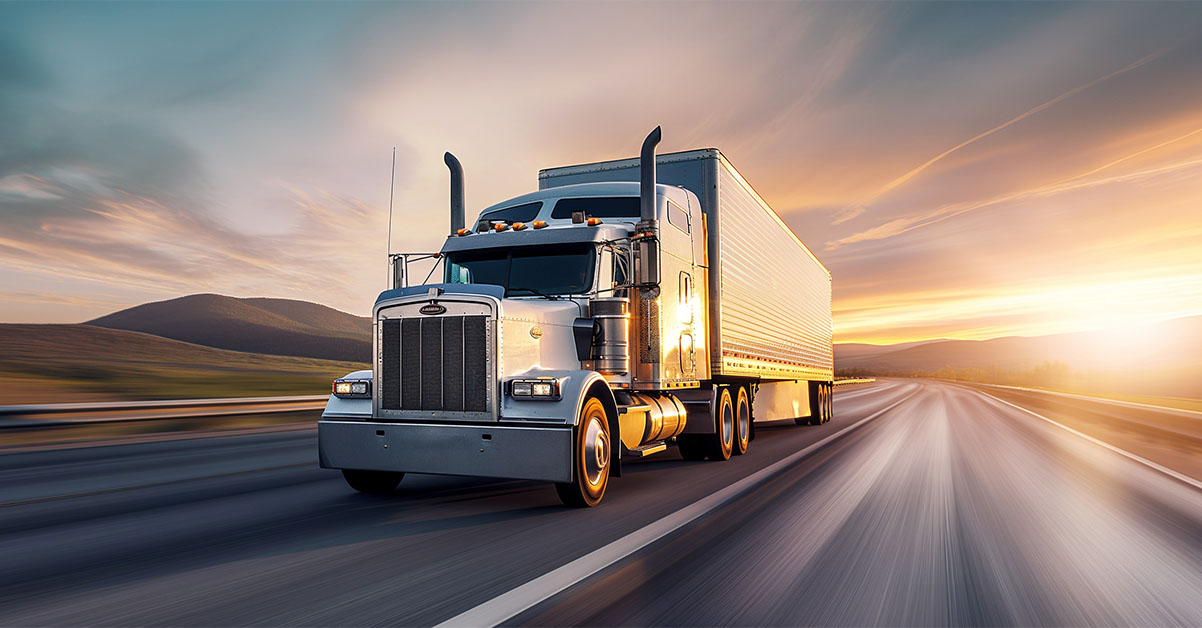
Effective inland transportation execution is quietly dividing shippers into those who deliver on time and those who keep making excuses. Shippers used to focus on what happens at the ports, which meant tracking vessel ETAs, monitoring terminal appointments, and monitoring customs holds — all of which made sense because they are measurable and visible pressure points.
But shippers are increasingly realizing that the port is not the real problem, because it is not where delivery promises are kept or broken. That is done during inland transportation, across 50, 100, or 300 miles between the terminal and wherever your customer needs the freight.
At the ports of Long Beach and Los Angeles, the average truck dwell time was about 2.73 days in late 2025, while rail dwell time was nearly five days. Those numbers are workable. But a container clearing a terminal gate on time means precious little if the inland transport leg of the shipping process falls apart.
Most delivery failures in 2026 are caused by mismatches among port availability, truck scheduling, warehouse capacity, and inland routing. If inland planning is done only after the cargo clears the port, flexibility is lost, and small coordination gaps between the dock and destination compound into missed delivery windows.
Shippers that tie themselves to one routing plan are banking on nothing changing between the time they book and when they deliver. Right now, that is a losing bet. By March 2026, U.S. truckload spot rates had climbed to their highest levels since 2022, with national averages more than 25% higher than a year earlier. The Outbound Tender Rejection Index at the time was 14.2%, almost twice the 8.5% recorded in the previous year.
If a carrier refuses to carry your load, your inland transportation plan falls apart. Companies that have built flexibility into their inland moves are better able to absorb these shocks. That means the ability to choose between truck and rail depending on lane conditions or transloading near the port as a decision point where cargo can be deconsolidated and rerouted based on current availability, not a plan drawn up three weeks ago. The Inland Empire has emerged as the center of gravity for this kind of optionality.
BNSF’s San Bernardino intermodal terminal handles more than 2,000 containers daily, and Union Pacific’s new Inland Empire terminal at West Colton is within 10 miles of approximately 625 million square feet of warehouse space. That concentration gives shippers real options, but only if their inland transport strategy is actually configured to use them.
This is where inland transport and transloading work hand in hand in a way that really matters for delivery timelines. The traditional port-to-inland warehouse route takes one to three days for transport, one to five days for sorting and storage, and one to seven days for outbound shipping. Altogether, that is three to 15 days before anything gets to the end customer.
Transloading close to the port compresses that. Cargo is delivered to a transload facility the day it leaves the terminal, sorted and reloaded within one to two days, and then is on its way in a 53-foot domestic trailer tailored to its destination. For shippers bringing products into the Inland Empire, Central Valley and Southwest markets, where inventory is located is almost as important as how it arrives there.
A well-positioned transloading operation can bring freight closer to final delivery points, thereby improving last-mile windows and reducing the types of delays that erode customer confidence.
The shippers that are gaining ground right now are not necessarily the ones with the best ocean freight rates or the fastest terminal turns. They’ve cracked inland transport because they know exactly where the cargo is going, how it is getting there, and what the backup plan is if conditions change before it is loaded at the port.
That advantage is likely to widen as port volumes continue to grow and inland carrier capacity tightens. The companies investing in inland execution today will be the ones who win in delivery tomorrow.
At Golden State Logistics, inland transport is viewed as a natural extension of the drayage move. That means no handoff gap between the port pickup and the final destination. If the drayage and inland legs are combined into a single move, the delays do not cascade, as is the case when each leg is treated as a separate move. Contact us to get started.
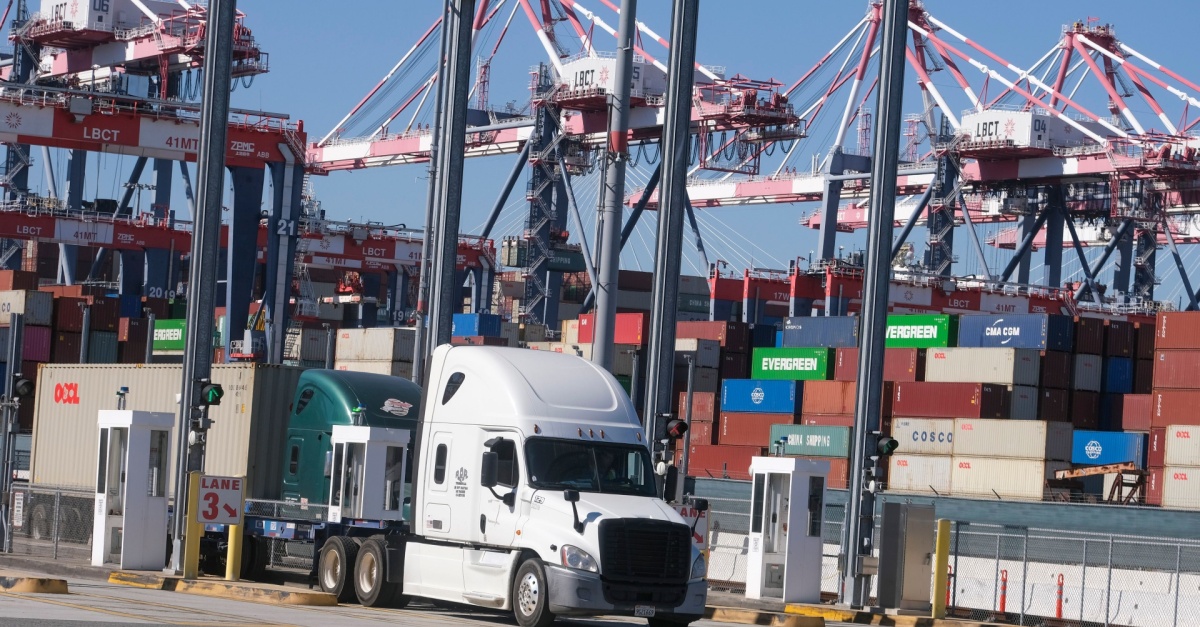
It is common to see cargo moving in and out of the ports of Los Angeles and Long Beach on roads that are never empty. The scale and tempo of the operations here are relentless.
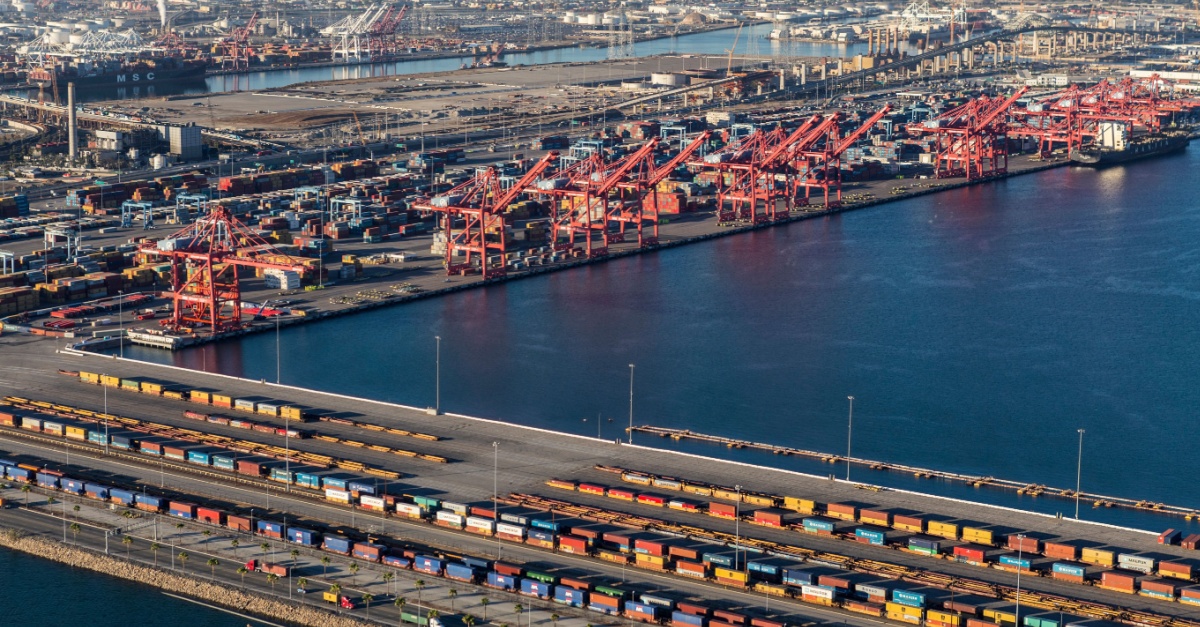
For shippers operating in Long Beach and Los Angeles, it is not uncommon to see short-term delays create ripple effects that amount to long-term disruptions across the supply chain.
2999 East Pacific Commerce Drive Rancho Dominguez, California 90221
Oakland, CA


