
When a container is picked up at the port via drayage, it is moved to a transloading facility, where the goods are unloaded from the ocean container and reloaded onto domestic trailers. Following that, it is taken inland to a distribution center or retail location. That is one move, in three stages, and three different streams of information.
Most people don’t talk about the data available at each step. For instance, GPS and dispatch logs are available for the drayage carrier. The transloading warehouse has inventory logs and labor logs. Even the inland carrier has data on routes and deliveries. The data is not in short supply. The problem is that none of the entities are talking to each other. When drayage, transloading, and inland data are stored in disconnected systems, shippers miss the opportunity to address issues before costs become a problem.
Data silos slow down freight. Unified systems, however, improve scheduling, prevent bottlenecks, and create a true end-to-end logistics picture for shippers.
Consider the typical import traffic entering Southern California. Drayage carriers monitor container status and driver dispatch through their own TMS. The transloading facility, perhaps a warehouse in Carson or Compton, employs a separate warehouse management system to log inbound containers, schedule labor, and track outbound loads. And inland transport carriers do dispatch and delivery confirmation through yet another platform.
Three providers, three systems, and no automatic data sharing among them. That gap is a problem. Say a missed appointment window triggers a port terminal delay for a drayage truck. The transloader only finds out about it when the shipment fails to show up at the scheduled time. By then, they’ve already assembled a crew and secured dock space.
On the flip side, an inland carrier is dispatched to pick up a loaded trailer from the transload facility using an estimated completion time. But the transload is two hours late because the inbound container was late, and nobody said a word. Now the shipper is getting charged for preventable detention time that could have been avoided with a simple status update.
The San Pedro Bay port complex handled over 20 million TEUs in 2025. That means those little disconnects don’t stay little for long. Multiply them by dozens or hundreds of containers each month, and the pattern becomes expensive.
Data silos generate direct costs, which most shippers cannot trace to their root cause.
If the transload team doesn’t automatically receive the drayage carrier’s pickup status, free time can expire without anyone knowing. Southern California port demurrage charges average from $75 to $300 per container per day, depending on the carrier and terminal, and those rates typically rise the longer a container sits. Detention charges after gate-out usually run from $125 to $175 per container per day.
Even two or three days of avoidable charges per container can add up to thousands of dollars for a shipper that moves 50 containers a month. In some months, it could even reach tens of thousands of dollars.
Warehouse crews are scheduled based on expected container arrivals. If, for example, the drayage delay is not communicated, you have a receiving team hanging around, paid but not productive. Or the reverse: containers arrive earlier than expected, and there isn’t enough labor on the floor to unload them, which pushes everything back and cascades the delay into the inland leg of the shipping process.
Missed delivery appointments on the inland side carry their own penalty. If the transload is delayed and the inland carrier cannot meet the original appointment, your shipment may be delayed by 24 to 48 hours. That can mean missed promotional windows, stockouts, or expedited shipping costs to make up the difference.
In practical terms, integrated data means connecting the information that already exists across drayage, transloading, and inland operations so it flows seamlessly between each leg of the move without anyone having to pick up the phone or send an email.
The idea is that the shipper should be able to see that a container was picked up from Pier A at 7:15 a.m., is in transit to the transloading facility, has an updated ETA of 9:30 a.m. based on current traffic, and that the inland carrier is already scheduled for a 2 p.m. pickup once the transload is complete — all from one dashboard or application.
The mechanics of how this works can differ. Sometimes it’s API connections between the drayage carrier’s TMS and the warehouse management system at the transload facility. Sometimes it is a shared dashboard pulling information from multiple sources. And sometimes — and this is the part that isn’t talked about enough — the easiest way is to work with a logistics partner like Golden State Logistics that already covers all three legs. The data is integrated internally by default.
That said, integration is not a cure-all. The data needs to be timely and accurate to be useful. A warehouse manager can’t reroute dock assignments based on a GPS ping that’s 45 minutes old. It’s not just a question of whether there is integration, but also of its quality.
Bridging drayage, transloading, and inland data makes scheduling not just reactive, but something shippers can actually plan around.
Consider what occurs at the transloading facility. Without integrated data, the warehouse manager creates the day’s labor plan from static estimates. Container A “should” arrive at 8 a.m., Container B at 10 a.m., etc. But if Container A is in a queue at the terminal and won’t arrive until 11, the labor plan is wrong before the shift even begins. However, with live drayage data feeding into the transload operation, the manager can tweak crew assignments, dock schedules, etc., in real time. That flexibility alone saves hours of wasted labor over a week’s worth of operations.
The same logic applies to inland dispatch. When an inland carrier is dispatched based on actual transload completion and not an estimate, you reduce driver wait time at the facility. This is critical because drivers sitting idle at a warehouse cost money, and not just in detention charges. It eats into available hours of service, which can extend deliveries into the next day if a driver runs out of drive time before reaching the destination.
Port appointment scheduling also benefits. Terminal appointment systems are competing at Long Beach and LA, and time is of the essence. And if the transloading facility is already backed up and has no capacity to receive it, then there’s little point pulling a container out of the port.
When drayage dispatchers have real-time visibility into downstream availability at the transload facility, they can time port pickups to match actual receiving capacity rather than creating a bottleneck elsewhere in the chain. That level of coordination is what distinguishes moving freight from parking it during peak season or sudden volume spikes that Southern California ports experienced in early 2025, when Long Beach saw a 26.6% year-over-year increase in Q1 throughput.
The long-term benefit of integrated data is to have a complete picture of the freight movement performance over time.
With drayage, transloading, and inland data all feeding into a single system, shippers can start to see patterns that would be impossible to see in siloed reports. Which port terminal always has the longest pickup delay? Which transloading facility is fastest at turning containers? What inland routes have the highest missed delivery appointment rate? However, you can’t get answers to these from a single shipment’s data. You need weeks or months of interrelated information over the three legs to identify the trends.
Golden State Logistics can handle all three legs for you, whether it’s drayage from the ports of Long Beach and Los Angeles, transloading at Southern California locations, or inland transport to destinations throughout the country. Because we provide these services in-house, the data connections that other setups have to build from scratch are already built into our workflow.
If you’re piecing together updates from three different providers and filling in the gaps with phone calls, it’s worth considering what a connected approach could do for your freight. Contact us today to get started.
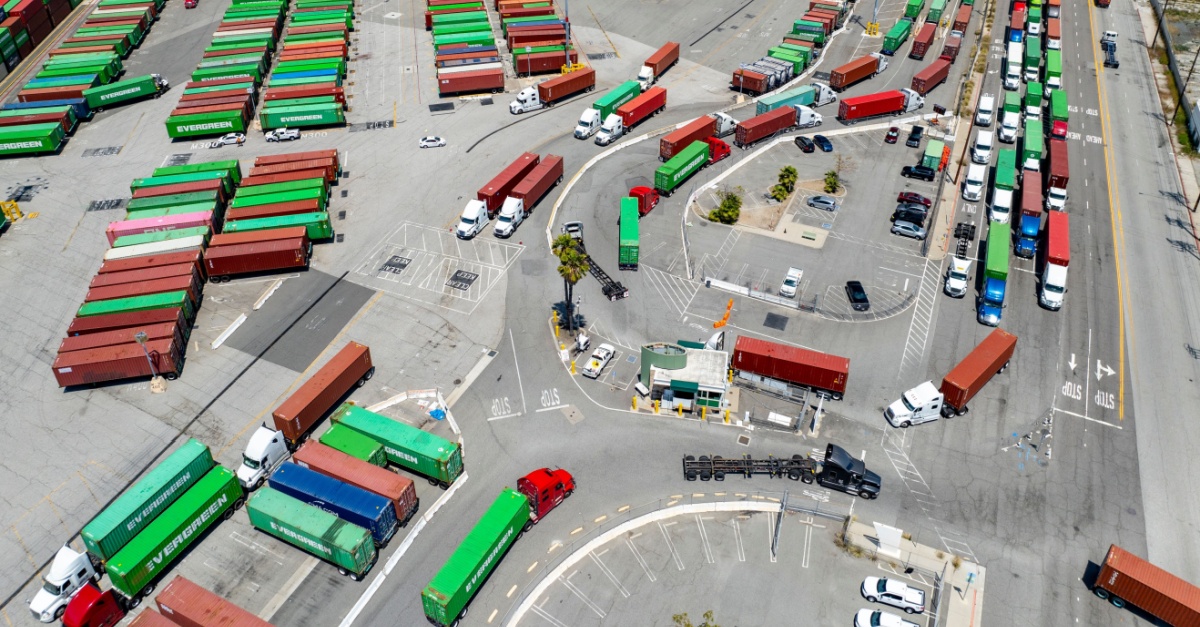
Buying one-off drayage services might sound smart, but it drains time and cash. A solid drayage partnership with a reliable partner expands reach and optimizes the entire freight network for enhanced control and efficiency.
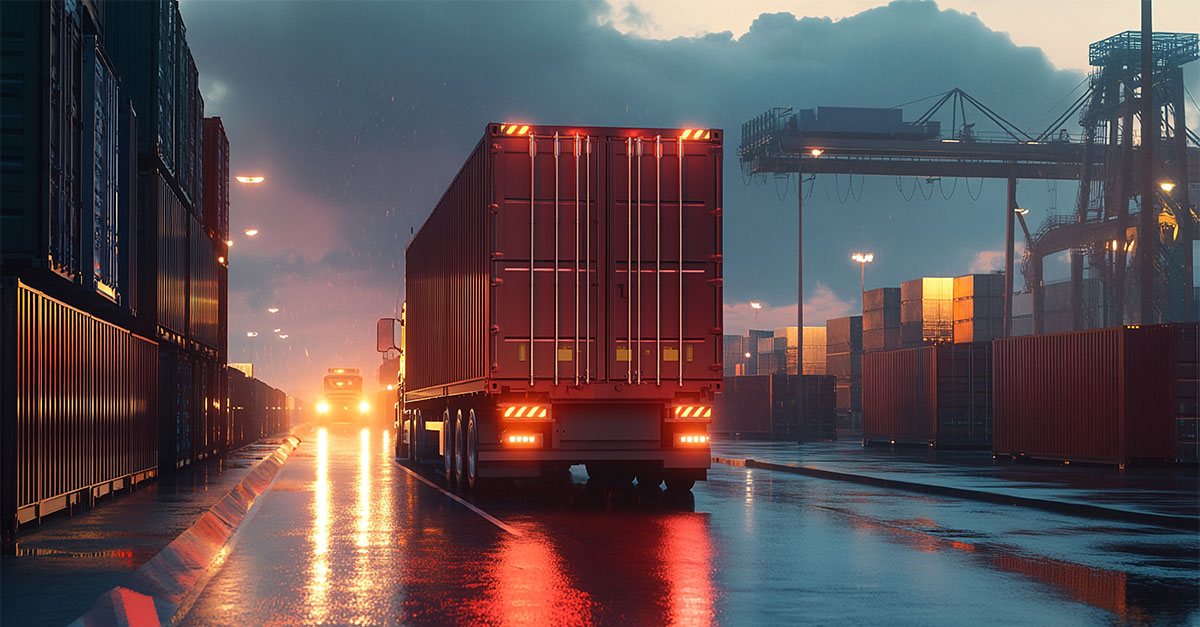
Unfortunately, in drayage operations across Southern California, tight appointment windows and heavy port congestion are common, which is why a single late decision can trigger fees that feel endless.
2999 East Pacific Commerce Drive Rancho Dominguez, California 90221
Oakland, CA


