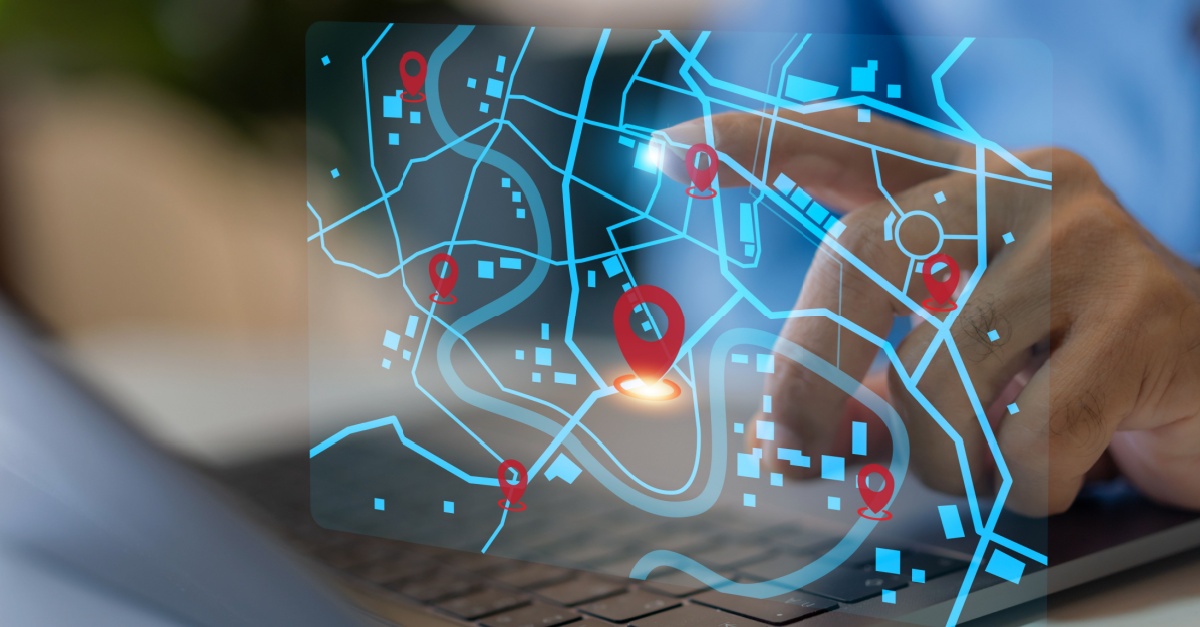
While some shippers may believe that tracking updates every few hours is good enough, the fact is that this made sense in a period when most inland transportation relied on radio check-ins, manual updates, or once-a-day location reports. But with supply chains getting faster, tighter, and far less forgiving, customers today expect accurate delivery ETAs as delays can turn costly. But beyond cost, delays can damage trust, and static tracking just can’t keep up.
This article lays out how real-time tracking can greatly elevate the management of inland freight. Each benefit is directly tied to practical results, including reduced downtime, fewer surprises, and more efficient logistics operations.
Every stop and delay in the inland transportation process has a cost. And when something goes wrong, most teams don’t know until it’s too late. Real-time tracking fixes this. It utilizes GPS, cellular data, and integrated software to track shipments in real time throughout the entire inland transportation process. Not yesterday. Not two hours ago. Right now.
Here is how:
Knowing exactly where a truck is makes a difference when schedules are tight. For example, a two-hour delay can mean halting the production line when auto parts are shipped to an assembly plant for urgent assembly. With real-time tracking, the production team can see the truck stuck in traffic, call the customer, and arrange a split delivery or adjust schedules before the issue escalates. This means shippers are not just watching dots on a map but controlling the entire outcome.
When customers ask for an update, “It left yesterday” isn’t enough. They want details such as location, ETA, and a show of confidence that their cargo is moving on time — all of which can be difficult without real-time tracking. It gives shippers the power to answer with certainty. For example, a distributor can leverage real-time tracking solutions in the inland transportation process to reduce the anxiety of retail partners by providing them with accurate information and, in some cases, access to the tracking dashboard.
Real-time tracking isn’t just about updates. It helps shippers and other supply chain stakeholders optimize routes, reduce idle time, and avoid delays caused by traffic or loading dock congestion. With location data and time stamps, dispatchers can reroute trucks, prioritize loads, or adjust driver shifts in real time.
This way, shippers can use fewer resources, such as fuel, to achieve the same outcome. Drivers also spend less time waiting, which can boost morale. The efficiency from real-time tracking can also promote sustainability in inland transportation.
Real-time tracking helps detect abnormal actions such as route deviations, unauthorized delays, and late-night stops in unsafe zones. Some real-time tracking applications also allow the shippers to alert law enforcement partners when theft is suspected, leading to faster recoveries. These measures enable the shipper to save money on challenges such as cargo theft, detours, and unexpected stops, all of which incur costs.
With real-time tracking alerts, shippers can easily know when a truck leaves its planned route or makes an unscheduled stop. This way, they can take decisive action. This visibility protects the shipper’s cargo and fosters customer trust in high-risk areas or for sensitive loads, such as electronics, pharmaceuticals, or luxury goods.
When every trip is tracked, every move becomes a learning opportunity. With access to historical data, shippers can:
Over time, the real-time tracking solution enables shippers to make more informed decisions, including carrier choices and selecting more reliable routes.
Real-time tracking doesn’t require a total systems overhaul. Many platforms integrate directly with existing transportation management systems (TMSs), electronic logging devices (ELDs), or dispatch software. Here are some necessary things for shippers to think about before embarking on the process:
It is also important to note that the cost of real-time tracking in inland transportation is often outweighed by the benefits shippers can achieve through reduced late fees, fewer disruptions, and improved planning.
Shippers that depend on scheduled updates and driver check-ins are flying blind. However, real-time tracking provides your team with the visibility, control, and confidence to operate inland transportation with precision. And Golden State Logistics is the right company to partner with to ensure all of these. We offer expertise, resources, and access to tech solutions such as real-time tracking during inland transportation.
We have more than 25 years of experience moving freight in Southern California, including the LA and Long Beach ports, thanks to a fleet of over 500 private chassis. Our commitment to sustainability and technology ensures your supply chain is always one step ahead. Get in touch with us today.
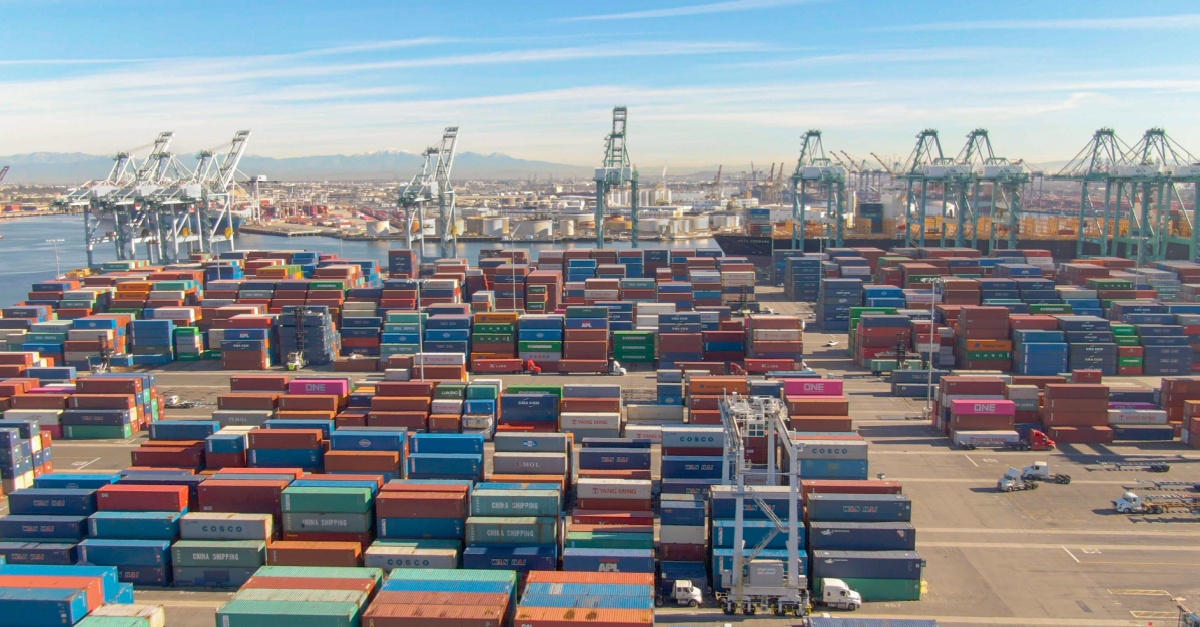
This article explains why location near the ports of LA and Long Beach matters and how keeping drayage, transloading, and yard space close to the water speeds up your entire supply chain.
At Golden State Logistics, we know the challenges shippers face in Los Angeles and Long Beach. Our expert teams and resources allow you to design services matching your cargo needs.
2999 East Pacific Commerce Drive Rancho Dominguez, California 90221
Oakland, CA


