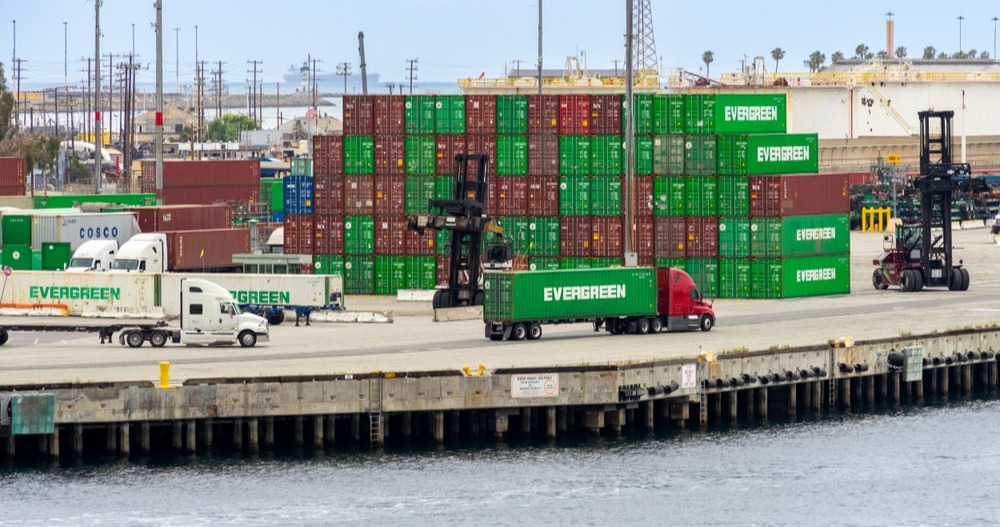
One common misconception many shippers have is that delays during transloading operations are normal and just a part of the process. That is far from the truth. Unfortunately, though, that is what many shippers believe. And it is costing them time, money, and, sometimes, customers.
Here is the truth. Most transloading delays don’t start at the facility. They begin with shippers when there is poor planning, inadequate communication, and missed details, well before the freight arrives for the transloading process. Nonetheless, shippers can significantly reduce their delivery times and transportation costs by simply taking better control of the transloading process. All they have to do is make better use of what they already have.
This guide breaks it down step by step. No theory. Just practical actions shippers can take to speed up transloading operations, reduce waste, and move freight with fewer interruptions.
If we take it back to the basics, transloading happens when freight is moved from one type of transport to another. Here is a common example: A container arrives at the port by ship, gets moved to a railcar, and is then transferred to a truck at a yard for final delivery.
However, this handoff is a pressure point for shippers. A single mistake, such as wrong documentation, poor labeling, or late arrival, can lead to hours of delay. Multiply that across dozens of shipments, and the damage adds up.
Some common causes of slow transloading operations include:
The good news is that these problems are avoidable.
Shippers that build a structure or system around transloading can gain speed, better control, and fewer errors over those that don’t. However, the problem is usually not the “why” but the “how.”
Here is a six-step process.
Many shippers pick their transloading partners based on price or location. The problem with this approach is that it overlooks other vital or key signals. Here’s the thing: The transloading partner plays a direct role in determining delivery speed. For example, a shipper can significantly reduce delivery times by switching to a transloading partner with 24/7 yard access and live ETAs.
When selecting these partners, shippers must consider several factors, including location, equipment, and responsiveness. Here is what shippers should be evaluating before choosing the right transloading partner:
Here are some red flags to avoid:
Delays often start before the freight ever hits the dock. If the shipper’s truck arrives and the warehouse isn’t ready — or worse, doesn’t know it’s coming, it’s already too late to recover the schedule.
Here is what shippers can do to avoid such a situation:
Beyond that, shippers can integrate their TMSs or ERPs with the transloading partner’s system to automate communication. Even simple tools, such as API-triggered alerts, can prevent hours of waiting. A shipper can reduce average wait time by coordinating delivery windows directly with transload facilities.
Inconsistent labeling or poor packaging can slow down the transloading process, leading to increased errors and a higher risk of damage. Conversely, shippers that leverage standardized pallets across their vendor network can significantly improve loading and unloading times.
Here is a simple but very impactful mistake that is common. Every time a worker has to stop to inspect or rearrange a load during the loading and unloading process, time is lost. If that happens with 10 or 20 containers, it could translate to hours, which in turn can result in delays.
There are practical action steps that shippers can leverage to ensure standardized load configuration and labeling, especially for fragile and high-value items.
No matter how much they wish to fix the shipping and transloading process, shippers can’t fix what they can’t see. This is why real-time tracking is essential. It enables shippers and their transloading partners to identify issues early and respond promptly. With high-level visibility, shippers can make better and faster decisions, allowing them to mitigate risks much more effectively.
Shippers should leverage real-time solutions in transloading to facilitate the following:
Here are some tools that can help:
Transloading providers are not just a vendor. They are key stakeholders in logistics and transportation. More importantly, they are also key to pinpointing and meeting the delivery timeline.
Here is how to improve together:
To ensure efficiency, shippers must leverage data analytics to spot slowdowns and work on them as a team with the transloading partner. Shippers must treat the transload process as a shared responsibility, not a handoff.
Mistakes, damages, and missed deadlines are common when the team is not trained or empowered. This is why it is possible for shippers to have the best tools and transloading partners. But it won’t matter for long if the internal team isn’t aligned.
Practical steps shippers can take:
However, for these steps to work, shippers must ensure the trained and equipped team can:
Technology doesn’t solve every problem, but it does remove friction, making the logistics and supply chain process much easier to navigate. With the right tech solutions, the shipper can make the transloading operations faster and easier to manage.
Some of the key technology solutions that can make all the difference in the transloading process include:
Even small investments in automation yield significant returns quickly when applied at the transloading stage.
Transloading operations don’t have to be the bottleneck in your supply chain. Shippers that take control of transloading, from planning through execution, see fewer surprises and smoother freight handoffs. And it all begins with having the right partner, such as Golden State Logistics.
Golden State Logistics has been delivering excellence in the logistics industry and at the ports of Los Angeles and Long Beach for more than 25 years. With GSL, you have a company that leverages the latest technology solutions and innovations to create a seamless transloading experience.
We leverage these technologies to provide real-time tracking and automotive solutions across the entire transloading operation. This ensures your operations are safer, more transparent, and more productive. Get in touch with us to ship better.

The technology coming into drayage operations today may not be glamorous, but it is helping fill gaps that have cost shippers time and money for years.
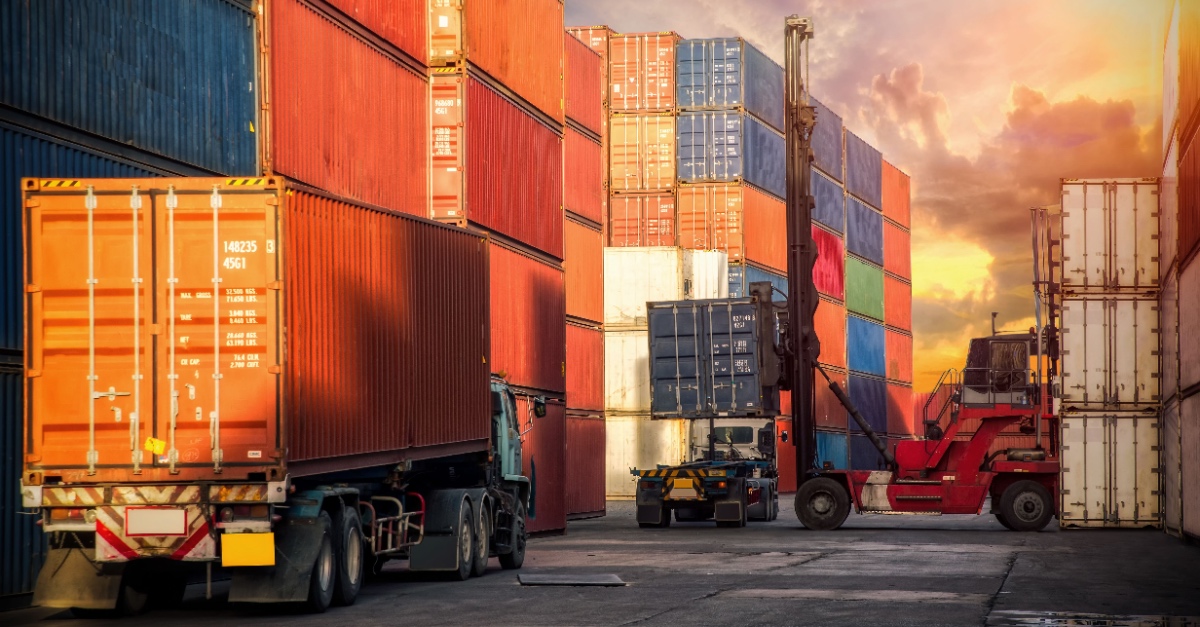
Transloading services offer flexibility and resilience through seamless transitions between transportation modes. By incorporating technology and forward-thinking strategies, transloaders can offer your business a competitive edge that enhances supply chain efficiency and cuts costs.
2999 East Pacific Commerce Drive Rancho Dominguez, California 90221
Oakland, CA


