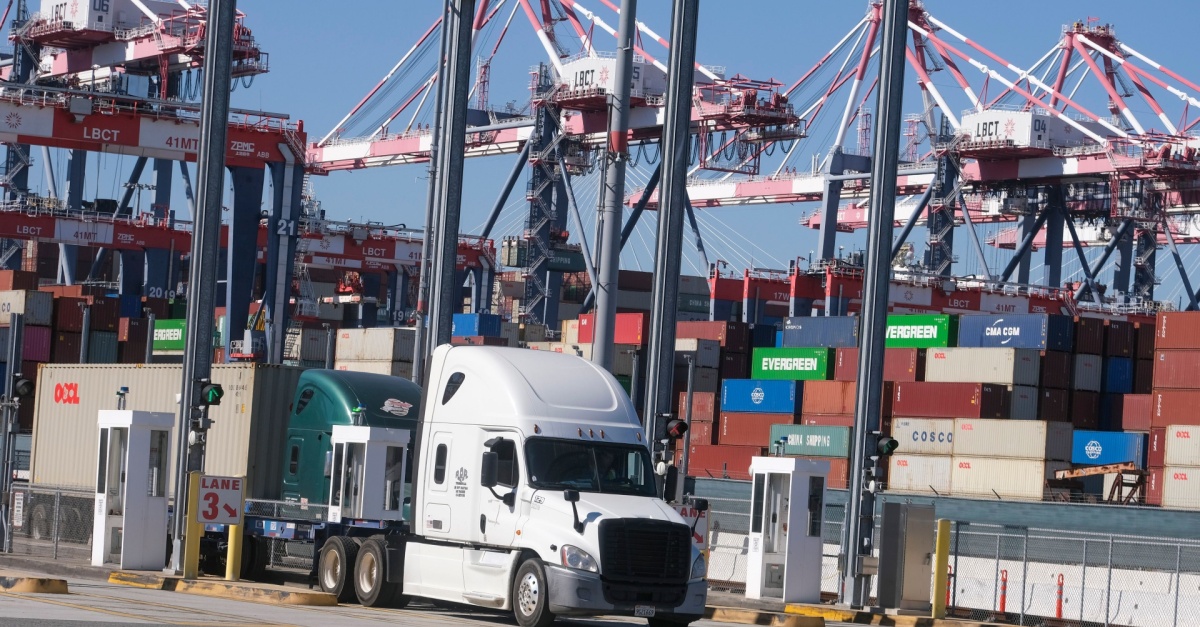
Safe inland transport is not about luck. It is a choice, and shippers that plan routes, train drivers, secure loads, and monitor road conditions in real time can ship their cargo with fewer surprises and stronger reliability across Southern California. Think of your operation like a relay in which the baton leaves the port, passes through a transload, and enters the road race. If you can pull off the handoffs, you will ensure speed and, more importantly, safety every mile of the transportation process.
Southern California handles more containers and shipments than anywhere else on the continent. It is common to see cargo moving in and out of the ports of Los Angeles and Long Beach on roads that are never empty. The scale and tempo of the operations here are relentless. But amid it all, shippers in this region rely on inland transport to connect port drayage, transloading, and container trucking to delivery points.
However, congested interstates, tight dock calendars, and rapid warehouse turnovers demand clear route planning, tight warehouse coordination, solid driver safety protocols, and reliable freight visibility. This guide gives you a practical path to safer and steadier freight delivery.
Safety begins with anticipating the challenges on the shipping routes you book every day, which is why it is important to know the risks before you ship across SoCal.
In 2024, INRIX reported that U.S. drivers lost an average of 43 hours to traffic. That is equivalent to about a full workweek, at a cost of $771 per driver. Traffic in Los Angeles is constant, and congestion can become so severe that it turns minor hiccups into missed gates, rushed decisions, and increased crash exposure.
Although most days are dry, there are still days that are not. The Grapevine on I-5, Cajon Pass on I-15, and mountain corridors can flip from calm to risky within minutes because of factors like wind, fog, ice, wildfire smoke, or rockfalls. The Grapevine, which connects the metropolis to the state’s agricultural hub, is an example of what constitutes a window to the effects of the climate crisis. The area is repeatedly experiencing closures and hazards, with CHP and Caltrans constantly staging responses to keep the route open.
A poorly balanced trailer, worn tires, or loose securement can turn a routine trip into a major accident or insurance claim, disrupting the entire inland transportation process. California’s cargo securement rules, enforced by the CHP, require protection “against shifting and falling cargo,” with specific standards for tie-downs and blocking.
Driver alertness is non-negotiable. The FMCSA’s hours-of-service rules are set up for this very reason. According to the FMCSA, it limits duty time and requires rest “to help ensure that drivers stay awake and alert.” Apart from that, the ATRI’s research in 2022 also indicates that certain unsafe behaviors strongly predict future crashes, which reinforces the need for training and monitoring.
Ensuring safety in inland transport depends on effective systems. However, to achieve this, you will need to establish repeatable steps that drivers and planners can follow consistently on every run, then monitor the outcomes and make adjustments promptly. Here is what that entails:
Start with clear maps and time windows that reflect reality. There are real-time traffic information resources that you can leverage to monitor the process before and during trips. However, for the best results, it is important to pair that with informational sites on road closures and restrictions.
Two simple moves will tighten safety here. First, set “no-go” hours across I-710, I-110, I-5, I-10, and I-15 based on your live experience. Second, add buffer time to gate windows on Long Beach trucking routes that often jam after vessel discharge.
Treat rest as a core cargo safety issue, rather than a perk. Current FMCSA’s rules require duty limits, off-duty time, and a 34-hour reset window. Training should reinforce defensive driving, space management, speed discipline, and pre-trip inspections — skills that lower the risk of accidents or breakdowns on the already crowded Southern California roads.
Practical checklists for effective training will include hydration plans, route briefings, alternate routes, and a simple “pull-off” rule if weather, smoke, or fatigue changes the risk picture mid-trip.
They say prevention is better than cure, and it is possible to prevent failures before they happen. But to do that, it is necessary to focus on aspects such as brakes, tires, coupling, lights, and door hardware — all of these are items that cause roadside breakdowns and lost freight delivery time.
Keep inspection logs within reach, with time stamps and signatures that match yard cameras. Tie repair lines directly to dispatch so a truck never departs with a defect that could trigger a CHP inspection or a claim.
Stable loads protect drivers, the public, the asset, and your brand’s image. California’s cargo-handling practices require securement that resists shifting and falling, with sufficient tie-downs for the load’s weight and geometry.
On mixed freight, use dunnage and blocking to keep heavy pallets low and centered. On high-stack consumer goods, verify wrap tension and corner boards before the seal. For loose material, consult the California DMV notes covering rules to prevent spillage on highways — small details that prevent incidents and tickets.
Leveraging technology is critical, but it is important to take it a step further to ensure your logistics team can see what the driver sees. This is where real-time tracking and visibility tools like telematics, GPS breadcrumbs, ELD data, and forward/rear dash cameras play a vital role, providing you with real-time information on speed checks, hard braking, and route deviations.
These tools also support coaching and can help with the defense of insurance claims. Use geofences around warehouse coordination points to ensure dispatch receives alerts for early or late arrivals, allowing them to adjust door plans within minutes instead of hours.
Tight handoffs cut idle time and reduce risky sprints. Build a single thread from drayage and transloading connections to inland transport: appointment confirmations, dock changes, seal records, weight tickets, and gate codes should move together. When a container clears Long Beach, a shared ETA to the inland facility keeps doors ready and drivers calm. When a delay hits at the port, early alerts keep inland docks from clogging with trailers that cannot unload.
One key aspect for ensuring safer inland transport is choosing the right partners — those that can turn plans into safe miles. Golden State Logistics (GSL) operates in the tightest corridors between the ports and inland hubs, treating safety as a daily practice, not just a poster or feel-good policy.
Here’s why that is necessary:
Dispatch checks for closures and hazards before release, then rechecks during the trip when alerts hit. If, for instance, certain areas like the Grapevine or Cajon Pass become risky, Golden State can shift the plan to include detours and updated ETAs rather than putting pressure on the driver.
Golden State Logistics helps draft plans with FMCSA HOS limits at the core. This includes duty windows, breaks, and the 34-hour reset rule, which ensures drivers arrive rested and stay sharp when moving your shipments.
Yard teams verify tie-downs, weight distribution, and seal status against CHP cargo securement standards before the gate, cutting the risk of shifts or spills.
Golden State Logistics stitches drayage and transloading connections into inland moves that guarantee seal photos, weight tickets, dock times, and route notes travel together so freight visibility is never in doubt.
When telematics shows speeding, harsh braking, or a risky following distance, logistics partners can coach the logistics team to prevent repeat events — the very behaviors ATRI links to higher crash odds.
Partnering with Golden State Logistics lowers stress for shippers across Los Angeles freight lanes and trims chaos on Long Beach trucking routes. No heroics, no lucky breaks — just clear steps that drivers can follow and managers can audit. Let’s talk.
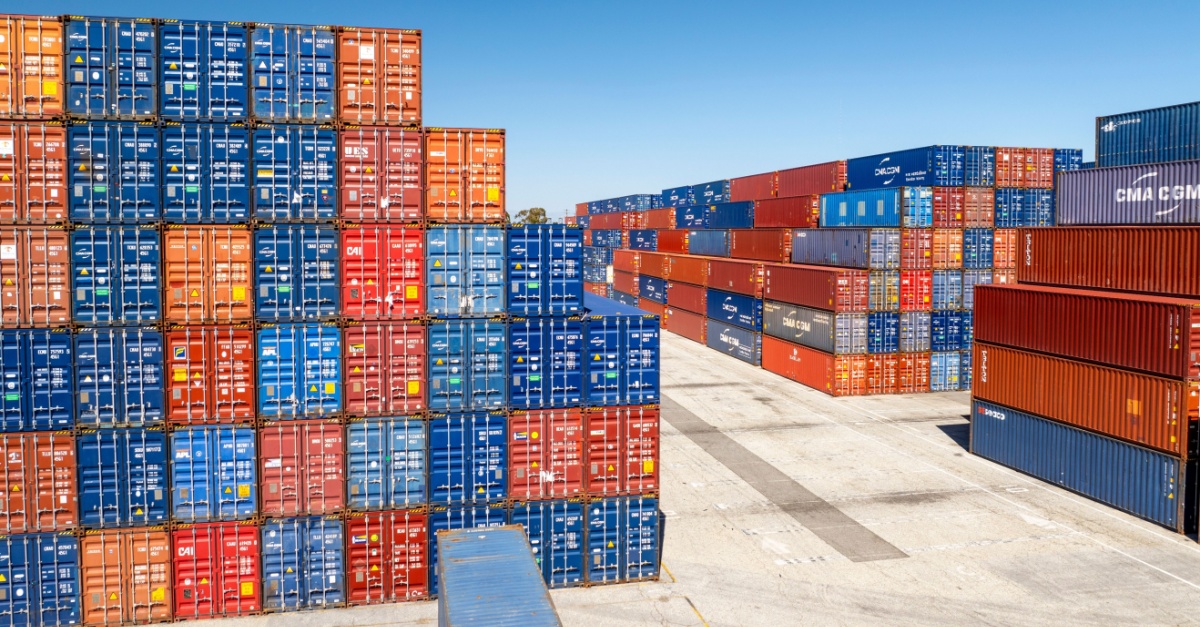
Transloading metrics have a real impact on daily freight decisions, but getting it right necessitates knowing what to look for. In busy regions like Los Angeles and Long Beach, seven transloading metrics matter most.

For shippers moving cargo through the Long Beach and Los Angeles port complex, the real question is which applications are making a meaningful difference at the operational level.
2999 East Pacific Commerce Drive Rancho Dominguez, California 90221
Oakland, CA


