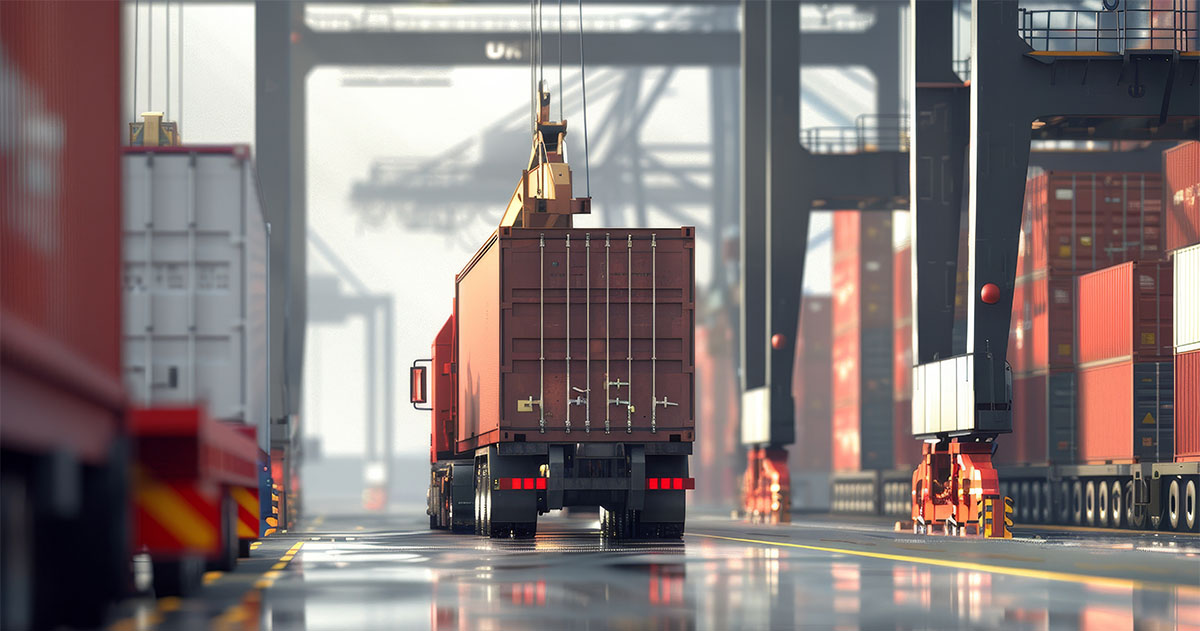
Treating transloading and inland transport as two separate processes is why dwell time, double handling, and per diem charges quietly bleed margin from an otherwise solid logistics plan. When transloading is timed to match the inland dispatch, the cargo essentially moves from the vessel to the final destination without stopping long enough to incur costs.
Simply put, synchronized transloading and inland dispatch reduce dwell time, improve speed to market, and eliminate costly double handling.
Typically, a container clears the terminal, gets dropped at a yard, and sits there while someone works out the next leg. By the time you get the inland dispatch sorted, the free time will already be exhausted, and the demurrage clock will be ticking. As of January, the average truck-bound cargo time at marine terminals in San Pedro Bay was 2.75 days, while rail-destined containers averaged 6.14 days. Layer in the fees, and it becomes a massive problem.
The 2025 adjustment increased the PierPASS traffic mitigation fee to $37.50 per TEU and $75 for larger containers. Demurrage often starts around $150 a day once free time expires, and chassis dwell adds another quiet line item. Many 3PLs offer transloading as a stand-alone service rather than as the front half of a port-to-door movement, creating the gap that inland dispatch ultimately pays to fill.
The mechanics behind a synchronized operation are simple. A container is transported by drayage to a transloading facility located near the Long Beach and Los Angeles terminals. Crews then dismantle it and load the cargo into a 53-foot domestic trailer. Depending on the freight, it is either floor loaded or palletized, and the trailer is dispatched on the same shift.
This is where the freight math gets interesting. On the inland leg, utilization improves because a 53-foot domestic trailer can hold significantly more freight than a 40-foot ocean container. That extra capacity translates into fewer trucks on the road, reduced driver hours, and a single bill of lading for the line haul — rather than a chain of handoffs for a Dallas-bound load out of Long Beach. Synchronized transloading also reduces appointment dependencies at the terminal.
At its core, the speed-to-market gains in transloading are achieved by skipping steps. For instance, a typical inland point intermodal (IPI) move would involve the container being removed from the vessel, transported by rail across the country, then moved to a warehouse, port stripped, and reloaded for regional distribution. Meanwhile, synchronized transloading brings several of those touches together. In many cases, the freight moves from a vessel to a facility near the port, then to a 53-foot trailer, and finally to the regional DC, arriving days earlier than the IPI alternative.
Cargo velocity is the right way to think about it because it is a product of synchronized transloading and inland transport, neither of which delivers cleanly on its own. But this approach works best for shippers with consistent volume on a small set of lanes. If you’re moving a few containers a month to a handful of locations scattered about, operational coordination may not pencil out against a simple IPI or brokered line haul. The model rewards repeat performances.
Golden State Logistics provides drayage, transloading, and inland transport as a single integrated operation, rather than three services sharing a billing address. The drayage fleet is tied directly to the company’s transloading yard near the Long Beach and Los Angeles port complex, so containers move from terminal to floor load without sitting idle.
Inland transport is asset-based, meaning the trailer leaving the yard is dispatched with a tractor and driver that GSL controls, rather than being handed off to a brokered carrier and tracked through a third-party portal. The visibility part matters too. Terminal appointments, strip windows, and outbound dispatch all live in the same operational view, which enables synchronization.
For shippers moving regular volume through Southern California, that connected setup is what makes transloading a velocity tool versus a yard service.
Contact us today to get started.
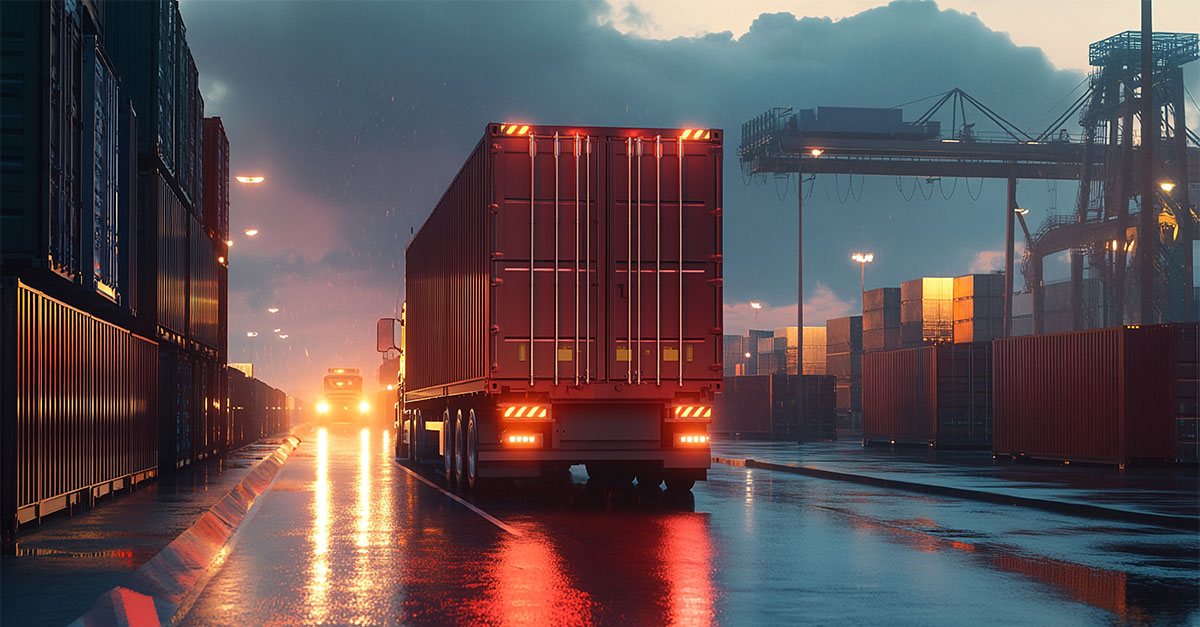
Unfortunately, in drayage operations across Southern California, tight appointment windows and heavy port congestion are common, which is why a single late decision can trigger fees that feel endless.

Shippers have long viewed the drayage process as a manual, behind-the-scenes part of freight movement, but advances in technology have brought fiercer competition and greater demand for better and faster processes.
2999 East Pacific Commerce Drive Rancho Dominguez, California 90221
Oakland, CA


