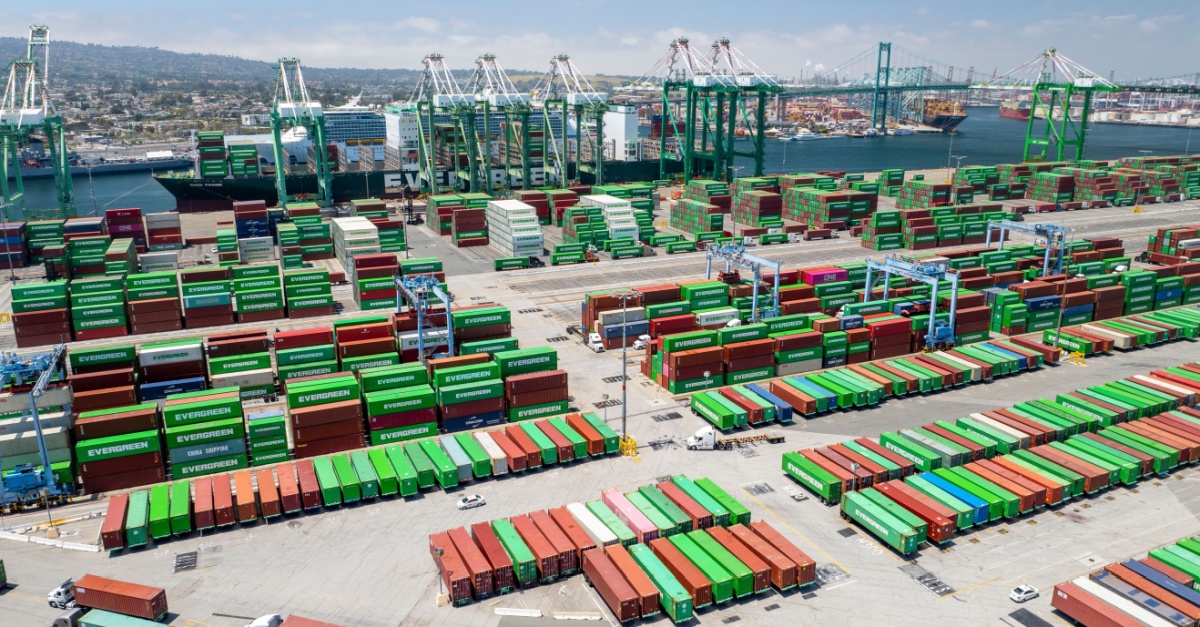
Most shippers have come to accept port delays as a regular cost of doing business. Take the case of America’s largest port complex, the ports of Long Beach and Los Angeles, which are frequently mired in delays and vessel congestion every time a demand or supply disruption rears up.
Such slowdowns from congestion and bad planning can cause real damage to logistics and supply chain processes, limiting freight flow and draining profits. It is not unusual to see containers sitting for days, fees piling up, and drayage trucks missing pickup windows.
The good news is that these delays are preventable. More shippers can regain control of the drayage process by fixing short-haul moves between the port and local facilities.
The cost of delays at ports is not just about time. Delays create additional costs and ripple effects that can find their way down the entire supply chain operation — detention charges, demurrage penalties, storage problems, and customer complaints. In 2023, the average container dwelt more than five days at Southern California terminals. That’s more than five days of wasted movement.
When containers wait, trucks back up, drivers idle, and goods spoil or arrive late, one missed window with a retail chain can kill an entire truckload’s value. Multiply that across hundreds of containers monthly, and the waste adds up fast. Port delays steal time, money, and trust.
Short-haul moves cover short distances, but their impact is significant across the supply chain. These include trips from the port to a warehouse, cross-dock, or rail yard. When done right, the process can unlock speed and fluidity throughout the freight process. However, if done wrong, they block the entire supply chain. There is very little margin for error.
Shippers rely on tight timing to ensure their logistics operate and flow seamlessly because of the volumes of containers coming in and out of ports. A single-hour delay at the port can ripple through regional deliveries for days. That’s why cutting waste from short-haul drayage brings quick wins. Freight flow improves, warehouses receive goods faster, and shelves stay stocked.
Delays cause problems and slow down everything. Containers sit too long, trucks wait with engines running, and costs climb fast. However, if the shipper can cut these delays, the entire process can help speed up the supply chain.
Here is a step-by-step guide on how to do that:
Pre-pull means moving a container out of the port before the last free day. This avoids detention fees and clears the container early. Instead of waiting, containers go to a yard nearby until final delivery. This method works best when schedules are tight. A furniture importer, for example, can pre-pull high-value loads ahead of holiday sales. That way, the shipper ensures trucks don’t get stuck behind port congestion. Pre-pulls keep freight flexible.
Terminals require appointments, and missing a slot can slow everything down. The best port drayage services use software to book, confirm, and sync terminal appointments with truck availability. The traditional method doesn’t cut it anymore. A shipper that schedules by phone or spreadsheet may fall behind. They are more likely to miss updates or book inefficient time slots.
However, leveraging digital appointment systems lets that same shipper keep everything tight. Trucks move on time, and containers flow without interruption.
Transloading has become a pivotal aspect of port drayage operations and global supply chain management, moving cargo from one mode or unit to another. A 40-foot container may get emptied into a 53-foot trailer. That saves space and lets one container supply multiple inland stops.
This is vital because more shippers than ever cut portside delays by transloading near ports like Long Beach or Los Angeles. Cargo shifts quickly to domestic trucks, and empty containers return faster. This reduces chassis shortages and terminal backups. However, it is also important to note that transloading efficiency comes from location and speed.
A regional distributor can send full trailers inland while containers return the same day. That reduces congestion and extends port capacity.
It used to be that shippers could have delays running for up to 24 hours, sometimes more than that, when they leveraged static schedules. However, with real-time alerts, those delays can be trimmed down to mere minutes or hours. Visibility changed everything in the modern supply chain era.
Real-time tracking gives shippers more control. It also lets them see problems before they become delays. GPS-enabled trucks and port integration give live updates. With the real-time tracking solutions, the freight team can spot slowdowns, adjust routes, and recover missed windows.
Short-haul moves keep goods flowing from port to warehouse. These runs usually fall within 250 miles. And they’re fast, but only when optimized.
Here is a guide on how to do that:
Short-haul drayage needs precision. Generic carriers or third-party logistics providers may not understand port cycles or local requirements. However, dedicated drayage service providers like Golden State Logistics know how to time pickups, navigate gate procedures, and avoid congestion.
Golden State Logistics specializes in short-haul moves around Long Beach and Los Angeles. Our drivers are well trained and work at terminals daily. They know which gates are backed up. That local experience speeds up every load.
In the world of short haul, no chassis means no move. That’s the reality at busy ports, as is the case with the ports of Long Beach and Los Angeles, two of the busiest on the continent. Shippers must plan chassis use like they would an inventory to manage the chassis situation. Either secure access through pools or partner with carriers that manage chassis counts.
For example, a beverage importer can significantly cut dwell time by locking in dedicated chassis units through their logistics provider. Failing to do that guarantees that the shipper’s containers will sit idle, leading to extra costs. With the chassis available, they can ensure immediate and seamless movement.
Cross-docking means transferring freight from incoming to outgoing trucks without long-term storage. It works best with multiple inbound containers going to the same region. By sorting near the port, companies avoid extra trips.
For example, a clothing brand with five containers from different suppliers can cross-dock at a shared site. Goods get sorted, repacked, and shipped together to stores. That cuts truckloads, saves fuel, and speeds delivery.
Ports don’t sleep, but they do slow down during peak hours. Traffic piles up in the morning, and gates clog around lunch. Planning pickups during low-traffic windows improves cycle time. For example, a shipper can gain up to a full-day advantage by switching from high traffic periods, say 10 a.m. to maybe midnight slots. Less traffic, more throughput, and faster fulfillment.
When running a global supply chain, it is obvious that success starts with planning. Shippers must understand the necessary information, such as when cargo arrives, when free time ends, and what assets are needed. Software helps with planning. A transportation management system (TMS) links schedules, trucks, terminals, and facilities.
Forecasting avoids last-minute scrambles. Load plans built around real arrival times keep teams aligned. The data shows which carriers move faster and which containers get stuck. Fixing those patterns cuts the delay.
Golden State Logistics knows Southern California logistics. Our drayage services have helped several shippers reduce container pickup delays and unlock fast, short-haul moves. The company operates at the Long Beach and Los Angeles terminals and has built great relationships over the years that allow them to serve you more efficiently.
Our team of experts can handle resources effectively to get your shipments from the port to a warehouse or transloading facility with speed and care. Our services include:
Shippers that work with GSL cut delays, avoid storage costs, and improve freight flow.
Start cutting delays now. Port delays are not just bad luck. They are avoidable. Shippers can take control with better short-haul planning, smarter scheduling, and stronger carrier partnerships.
Every delay fixed brings speed, savings, and trust back into the supply chain. Reach out to Golden State Logistics to build a short-haul plan tailored for your freight.

Transloading operations have become a vital aspect of international shipping, allowing shippers and forwarders to add flexibility to freight moves and ultimately helping optimize the process.

At the ultra-busy ports of Los Angeles and Long Beach, if you don’t have the right connections for transloading, that needed seamless cargo transfer is easier said than done.
2999 East Pacific Commerce Drive Rancho Dominguez, California 90221
Oakland, CA


