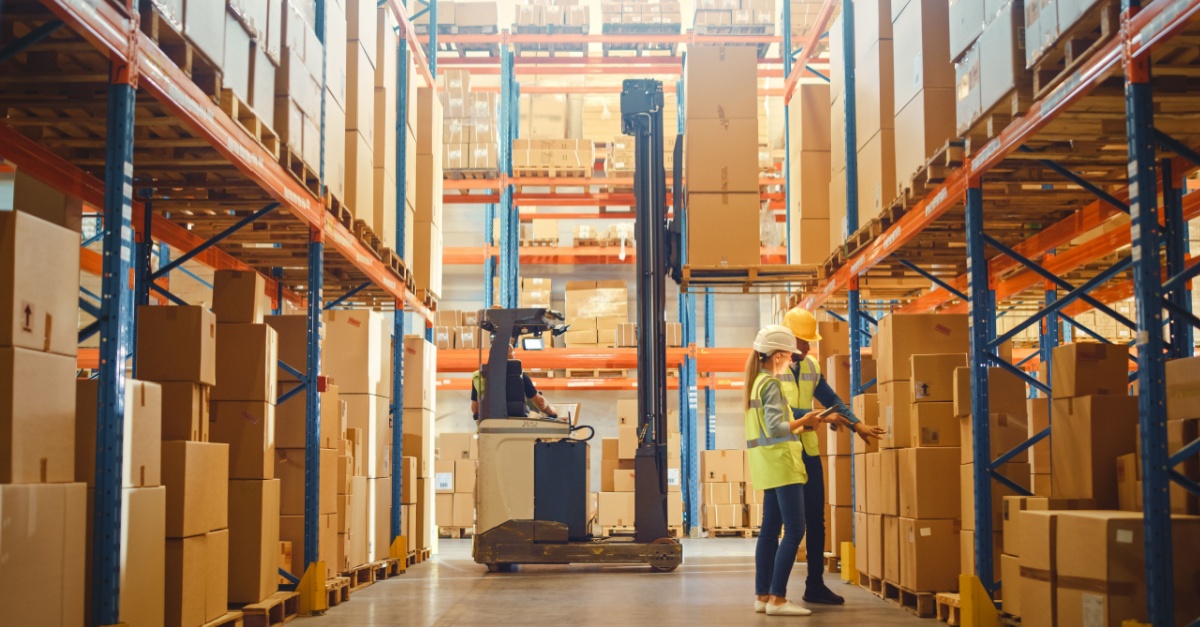
The speed of e-commerce in Southern California is decided long before an order is delivered to your customer’s doorstep. And contrary to many beliefs, the struggle to deliver efficiently and on time doesn’t begin in the final-mile zone. The real pressure sits upstream in your inland transport process.
If you think about it, when freight is delayed and arrives late at ports, the ripple effect impacts the fulfillment center, the delivery carrier, and the entire online retail business, leading to situations like late restocks, missed sales windows, and higher shipping costs during peak demand.
In this article, we will explore strategies for navigating inland transport to make sure it favors your e-commerce operations. After all, the customers have more expectations for e-commerce brands in Southern California than anywhere else in the country
E-commerce in Southern California is growing faster than almost anywhere else in the country. That growth is bringing in larger inbound waves into SoCal’s distribution zones. More shipments leave fulfillment centers each day, and that demand forces upstream freight to move much faster.
Same-day and next-day customer expectations have also raised the bar for inbound timing. That means that a delay at the port or a missed drayage pull can shave hours off the time a warehouse needs to sort and hand freight to last-mile carriers. And when inbound loads fall behind schedule, carriers struggle to meet cutoff times that feed the last-mile and delivery networks.
Having faster delivery partners doesn’t solve the problem, because faster, more secure delivery depends on a steady inbound flow. Inland transport is the base layer of speed. Without it, even the best fulfillment centers struggle during online shopping peaks.
E-commerce platforms often face avoidable delays in Southern California because the inbound leg lacks structure. This shows up most during demand spikes when every hour matters. For example, freight is usually slow on the I-710, CA-60, or I-10 during morning and afternoon congestion. If your drayage truck arrives at a terminal too late, the shipment may have to wait until the next slot. And that delay can ripple onto the warehouse floor.
Poor timing between drayage, cargo transfer, and inland trucking results in missed receiving windows. When stock arrives late, the fulfillment center cannot process items in time for carrier cutoffs. That delay forces some orders to roll to the next day, hurting customer satisfaction and increasing operational costs.
Another common barrier to inland transport lies in communication gaps. Without early updates on port pulls, warehouse teams can lose visibility on inbound volume. This forces last-minute labor shifts, overtime hours, or idle docks. In e-commerce, every hour of inbound timing affects outbound speed.
When your shipment arrives late, more often than not, no amount of sorting or delivery speed can fix the delay. However, there are strategies to leverage in your inland transport to make sure it doesn’t come to that.
Moving freight through near-dock facilities speeds up restocks and supports faster delivery windows. For example, transloading near Los Angeles and Long Beach reduces container dwell time and pushes stock into the fulfillment network faster. This is a huge deal because container storage fees can rise quickly during peak weeks.
When e-commerce brands transfer freight to domestic trailers early in the chain, the loads reach sort centers with fewer delays. It also creates a more stable inbound pattern for warehouses that must meet daily delivery cutoffs. Moving operations near-dock trims the risk of late arrivals, which often disrupt next-day carrier pickups.
An importer that shifts to transloading closer to ports will most likely see a steadier inbound rhythm. That means trailers arrive earlier instead of late in the evening, helping the team deliver more orders during the same shift.
Breaking your freight across multiple locations improves access to customers and reduces delivery distance. By leveraging multi-node staging, you can spread stock across key hubs such as Long Beach, Carson, Ontario, and Moreno Valley. This way, you reduce the travel distance and time to dense customer pockets. When freight moves inland through multiple nodes, e-commerce platforms can offer faster delivery to customers while avoiding overload on any single facility.
This strategy gives e-commerce teams control during heavy demand weeks. When one building becomes full, another can absorb the rest. This lowers the risk of late outbound flows during high-volume seasons.
Take, for example, a home goods brand that uses this method during a summer promotion. It can split inbound freight across two SoCal hubs. So, when one hub hits capacity earlier than expected, the other hub picks up the extra load. It is not far-fetched to imagine the company’s sales remaining stable because inbound freight arrived on time at both buildings.
Real-time tracking keeps warehouses and fulfillment centers prepared for inbound shipments, which reduces missed unloading and loading schedules.
Running an effective inland transport operation for your e-commerce depends on clear signals so crews can plan docks and labor. Without visibility into drayage moves or container pulls, those signals are difficult to come by. That means teams relying on guesses, which only wastes hours and creates overtime.
For example, digital tracking tools give your logistics team early warning when a drayage truck is stuck in traffic or when there is a delay at a terminal gate. They can rely on those alerts to help adjust labor and reshuffle dock doors at the warehouses, thereby preventing further delays and missed carrier cutoffs.
Ultimately, when shippers can see delays early, they act early, and timing improves. Early signals mean smoother freight flow.
Booking inland transport early protects e-commerce companies during seasonal spikes. Peak season runs through Q4 with back-to-school and major digital sales events. During these periods, truck space is tight, warehouse labor is stretched thin, and container availability drops.
However, e-commerce companies that book extra space weeks or months in advance can avoid those annoying last-minute rate increases. Some build agreements with short-term carriers that operate only during high-demand weeks. While others reserve trailer pools to support flash-sale events that can double volume overnight.
For instance, say a sportswear brand takes this approach ahead of Cyber Week. It can secure supplemental runs to key inland hubs and maintain steady nightly cutoffs, both of which can reduce delays and improve carrier handoffs.
Working with a provider like Golden State Logistics, which controls the full inland chain from drayage to transloading and then to inland trucking, removes friction from the e-commerce flow. When a single partner handles all of those, handoffs are cleaner, communication is tighter, and delays are eliminated.
E-commerce brands depend on predictable inbound timing. When one partner handles the full supply chain, teams catch minor issues before they become disruptions. For example, a missed appointment at the port can be recovered by rescheduling the transfer, and a late drayage pull can be offset by shifting the inland move.
Golden State Logistics supports e-commerce platforms operating out of Southern California with consistent inbound timing and broad coverage. With access to the Ports of LA and Long Beach, near-dock transloading points, and inland transportation trucking, Golden State Logistics controls the full upstream flow. And our team of experts is always on standby to help e-commerce brands avoid late restocks and reduce the strain on fulfillment centers.
Our tech infrastructure supports real-time updates, giving your warehouse teams a clear picture of current conditions and accurate shipment arrival times. During seasonal spikes, Golden State Logistics increases truck availability and protects delivery windows for e-commerce brands that cannot afford delays.
Speed does not start at the doorstep. It starts at the port, on the freeway, and on the inbound dock. Connect with Golden State Logistics and see how we can help.
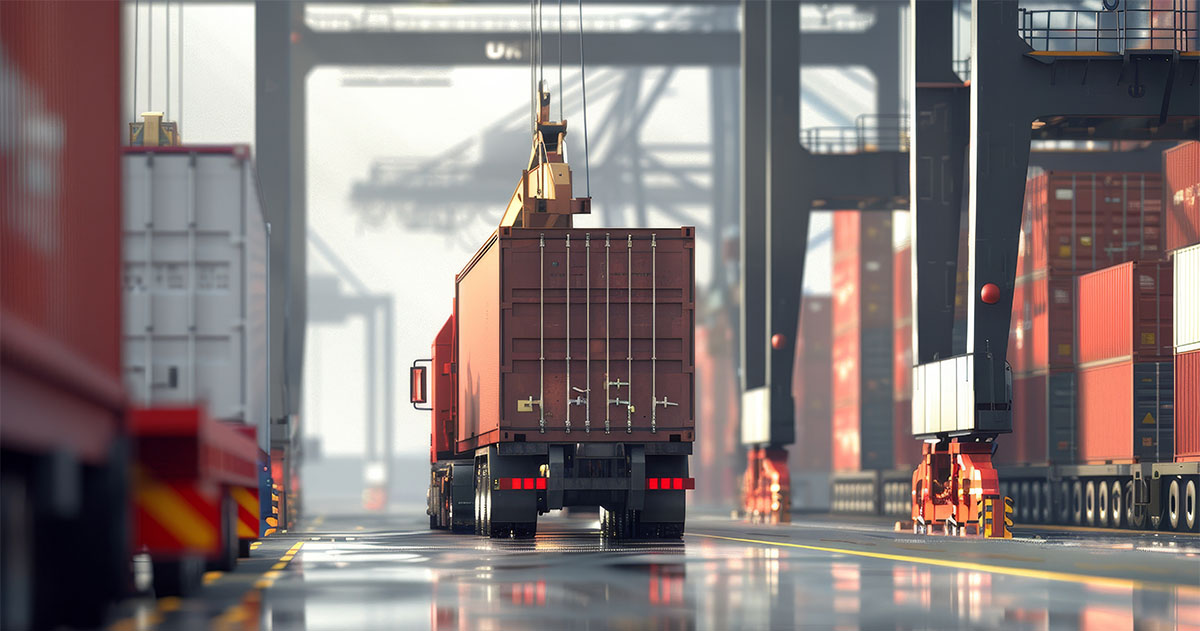
When transloading is timed to match the inland dispatch, the cargo essentially moves from the vessel to the final destination without stopping long enough to incur costs.
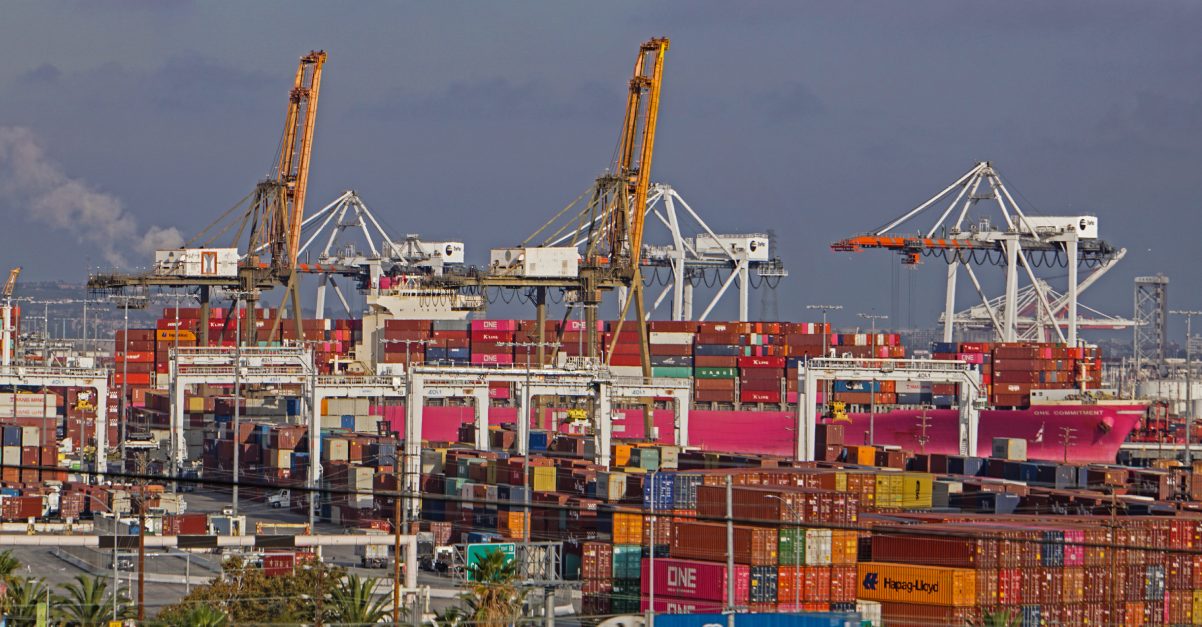
This guide will take you through the steps to track cargo through the ports of LA and Long Beach, from free tools to system-level connections that provide purchase-order visibility instead of guessing container numbers.
2999 East Pacific Commerce Drive Rancho Dominguez, California 90221
Oakland, CA


