%20Transportation.jpg)
Supply chain management can be a complex yet very tender operation. A slight disruption in one process or a mistake from a stakeholder can have a massive ripple effect downstream of the supply chain. That is why building efficient inland transportation networks is vital for businesses and logistics operators alike.
It allows shippers to avoid costly downtimes, whether they are at fault or not. Even when these mistakes or disruptions happen, these networks can ensure they are flexible or agile enough to navigate the challenges.
This article explores inland transportation options and strategies that keep freight moving smoothly. Golden State Logistics (GSL) has expertise in managing robust, reliable transport solutions that are pivotal in maintaining operational continuity for their clients, especially in the region around the ports of LA and Long Beach.
Shippers have two main options when building a reliable inland transportation network. Each option has its own strengths and weaknesses and can be combined.
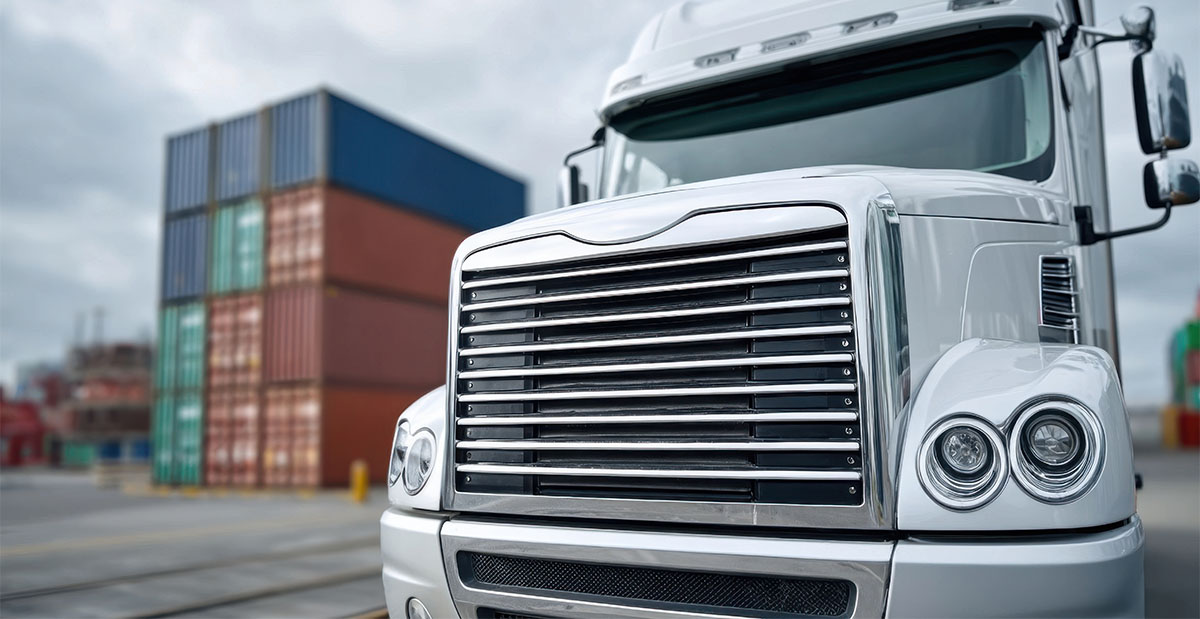
Trucking is the most used form of transportation, whether inland or combined with all other modes. Even rail transport cannot work effectively without trucking. It offers flexibility and direct delivery, making it ideal for both short distances and the long haul.
A critical USP of trucking is its ability to ensure quick turnaround times for urgent loads and even schedule shipments around tight deadlines. However, trucking also faces challenges, such as vulnerability to traffic congestion, fluctuating fuel prices, market-based capacity limitations, and driver shortages. These factors can result in increased costs, delays, and reduced efficiency across the supply chain.
The longer the distance of the freight haul, the more advantageous it is to choose rail over road. Rail is the most cost-effective mode of transport over land, with fewer issues that typically hinder trucking, such as traffic congestion and driver shortages. It is cost-effective and environmentally friendly, handling large volumes of cargo, which makes it a solid choice for bulk shipments.
The positives aside, it still lacks the flexibility that the trucking options provide and cannot work effectively as a stand-alone option compared to the trucking solution.
Although trucking and rail shine differently, they work best when combined, highlighting their strengths while eliminating their weaknesses. The intermodal approach ensures that freight can move seamlessly across different stages of its journey, optimizing efficiency while mitigating risks such as road traffic or rail hub delays.
Running an efficient inland transportation network isn't just about getting the goods to their destination with minimal challenges; the transport option also allows for gains in several areas.
The intermodal transportation network allows the business to burn less fuel and optimize routes, ensuring fewer vehicle delays and wear and tear. This inevitably impacts the cost of operations.
Disruptions are bound to happen, whether or not they are the supply chain's fault. For instance, road blockages. By leveraging multiple transport options, shippers can easily navigate these challenges.
When shippers efficiently leverage intermodal transportation networks, they can quickly adapt to unforeseen situations and circumstances. This can also help ensure their goods are always on the move, regardless of the challenge.
Combining rail and barge operations is more eco-friendly, helping businesses reduce their carbon footprint. This way, they can meet their sustainability goals.
If done right, shippers can run a disruption-free inland transportation network. However, there are a few must-dos or best practices before they can achieve this:
With real-time tracking solutions, shippers can effectively monitor their shipments at every step of the journey. This way, they have seamless visibility and transparency, enabling them to avoid bottlenecks while making much more informed decisions.
Relationships with reliable logistics providers give the business or shipper access to expertise and resources to handle sudden disruptions, including weather, road conditions, or other unforeseen issues. This way, goods are constantly moving, regardless of the situation.
Predictive analytics allow shippers to forecast potential risks and proactively adjust shipping routes. By leveraging it, shippers can avoid congested areas and select the most optimized paths for their freight, ensuring smoother deliveries.
Inventory management can make or break the entire transportation process. By optimizing inventory management, shippers can prevent delays and costly fees like detention or demurrage charges because the goods come in as needed, making for a more streamlined shipping process.
Golden State Logistics leverages a team of experts and state-of-the-art technology solutions to offer you seamless inland transportation solutions. We provide reliability through quality service and on-time deliveries, leveraging tracking and data insights for greater efficiency. This way, you have drayage logistics solutions offering port efficiency and flexibility that will deliver solutions that fit your needs. Get in touch with us today.
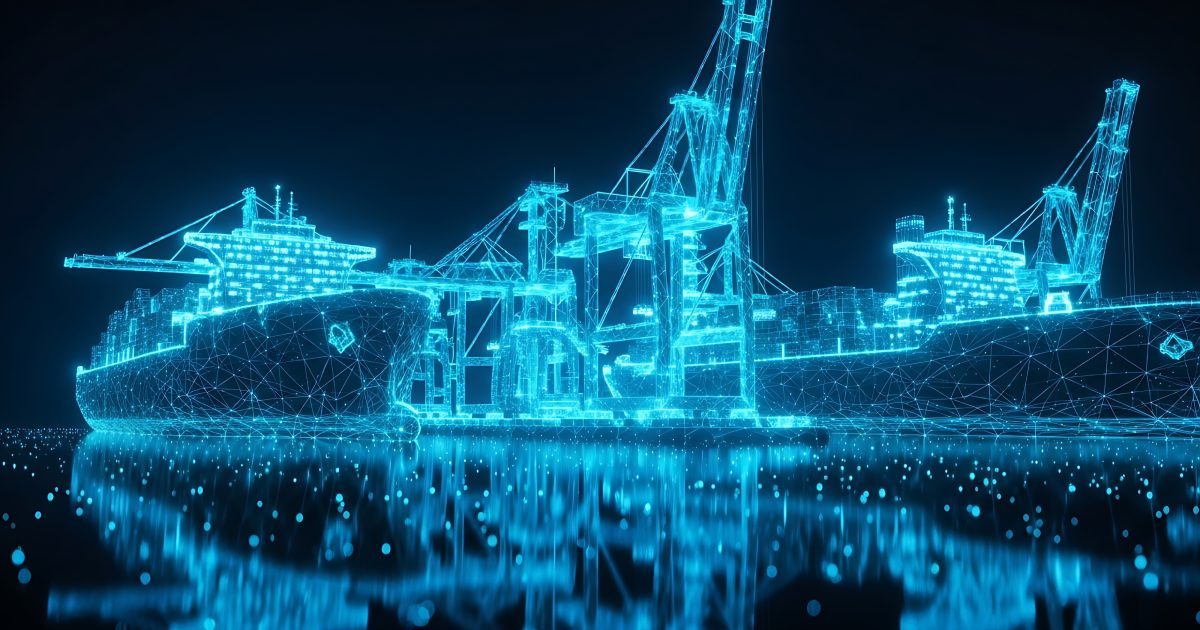
How cloud systems improve collaboration, centralize documentation, speed up decision-making, and support complex supply chain moves across drayage, warehouse, and inland networks.
Port delays compound freight cost. And the fix requires proactive coordination and supply chain visibility at every touchpoint, from port to door.
2999 East Pacific Commerce Drive Rancho Dominguez, California 90221
Oakland, CA


