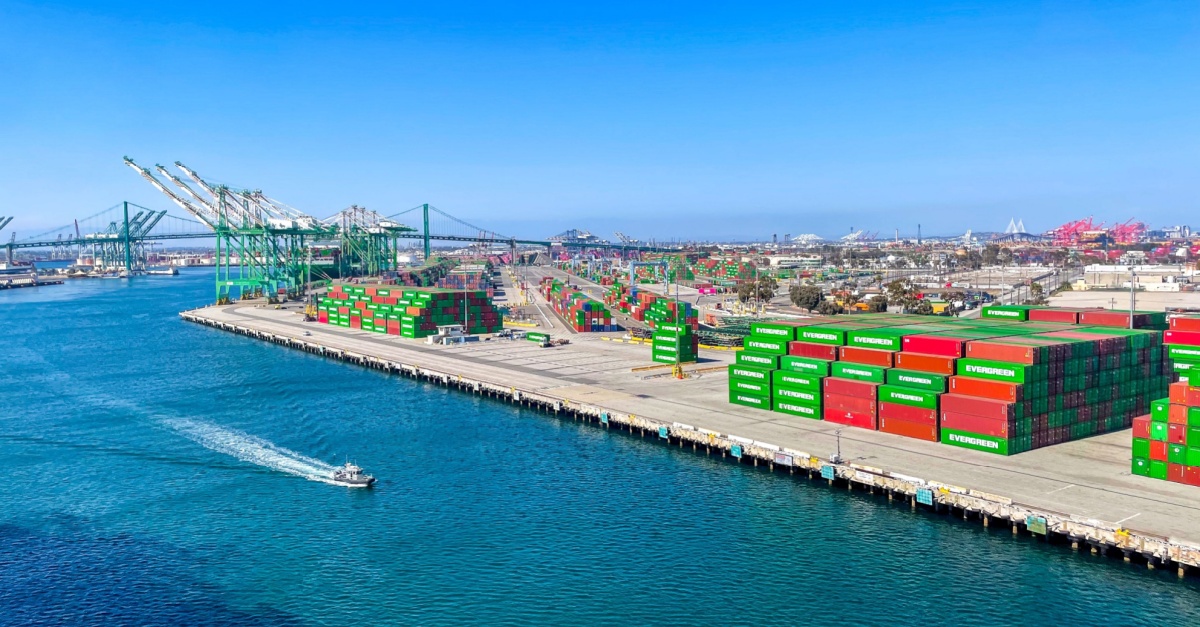
Transloading can make or break how shippers navigate peak seasons in Southern California. During this period, the ones that come out on top are those with transloading operations built to absorb shocks, clear containers quickly, and keep their inland freight moving.
This article walks through practical ways to prepare your transloading plan for peak season. It will also show you how to move more freight, with fewer surprises, during the months when mistakes hurt the most.
Efficient transloading during the peak season starts with an accurate forecast of inbound freight and an evaluation of how it aligns with your transloading provider’s current capacity. In practice, this means building a simple forecast that groups expected containers by week, by product family, and by destination region.
For instance, a retailer shipping imports through Long Beach might see that 60% of peak loads are bound for the Inland Empire and Phoenix, while the rest move toward the Midwest. That split can guide how many dock doors and how much labor your transloading partner needs to reserve for each outbound lane during peak weeks.
Linking drayage services and transloading under a single provider turns two separate steps into a single coordinated workflow. And this is a critical step during peak season because miscommunication multiplies delays. When one provider or partner controls drayage, transloading, and inland transportation, they can make real-time trade-offs rather than spend time coordinating with other stakeholders responsible for other processes while your containers flirt with demurrage and detention charges at the terminal.
An example of a local provider that can handle this kind of workload is Golden State Logistics. We are experts in drayage solutions, inland transportation, and transloading.
The faster you can unload, sort, and reload, the more containers your building can handle in a day without adding square footage. Fast cross-dock operations are your best defense against congestion during peak seasons. Research has shown that well-planned layouts reduce inventory holding costs, lower total supply chain costs, and shorten lead times when applied correctly.
For transloading facilities in Southern California, that speed can come from a few concrete design choices. For example, inbound doors should sit close to outbound doors serving the same region to reduce travel time for pallets and cartons. Work with a transloading partner that can ensure this level of efficiency during peak seasons.
Extra storage near the ports acts as a pressure valve when the core transloading space reaches its limit. During extreme congestion, even a well-run crossdock can feel crowded. Off-dock storage and short-term warehousing allow you to keep containers moving off the terminal without clogging the main building. This might mean using a nearby yard to hold low-priority loads while urgent freight moves through the main transloading facility first.
Visibility enables better coordination, which is very critical during peak seasons. When you know where containers, trucks, and outbound trailers sit in real time, you can directly manage your resources more effectively. But visibility means more than just knowing a vessel’s ETA on a spreadsheet. It means seeing when a box clears customs, when a drayage truck checks into the terminal, when the box arrives in the yard, and when pallets roll onto outbound trailers. A yard and dock system that feeds simple real-time tracking status updates into your TMS or portal gives your team the chance to re-prioritize loads before delays turn into penalties.
A strong local partner in Southern California raises your ceiling during peak season because they live with these peaks year after year. And no one is better at it than Golden State Logistics. We have the capacity, resources, expertise, and tech solutions to ensure that your peak season shipments passing through SoCal are not delayed or disrupted.
And it is not just during peak seasons. Whenever there is congestion, whether from labor talks, weather disruptions, or sudden volume spikes, Golden State Logistics knows which terminals move faster, which hours see the worst queues, and which alternate yards still have space. That knowledge helps you keep freight flowing during high-volume periods when margins for error are thin. If you want a partner that can handle real-world pressures, contact us at Golden State Logistics.

Exploring a dozen proven strategies that can be leveraged to improve port drayage operations.
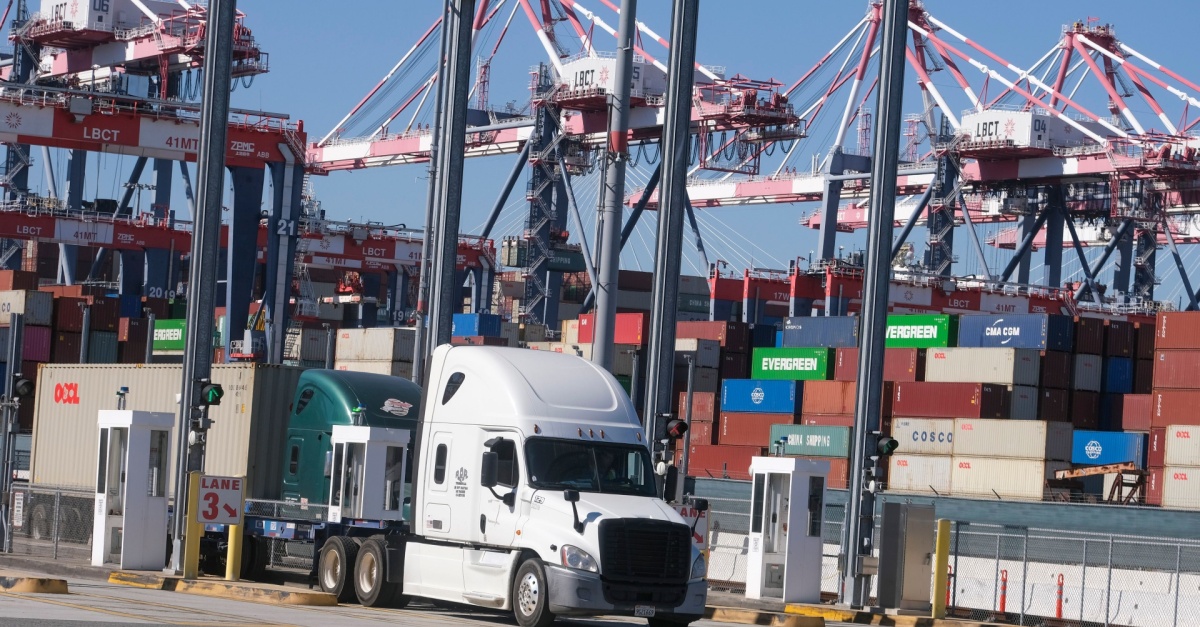
It is common to see cargo moving in and out of the ports of Los Angeles and Long Beach on roads that are never empty. The scale and tempo of the operations here are relentless.
2999 East Pacific Commerce Drive Rancho Dominguez, California 90221
Oakland, CA


