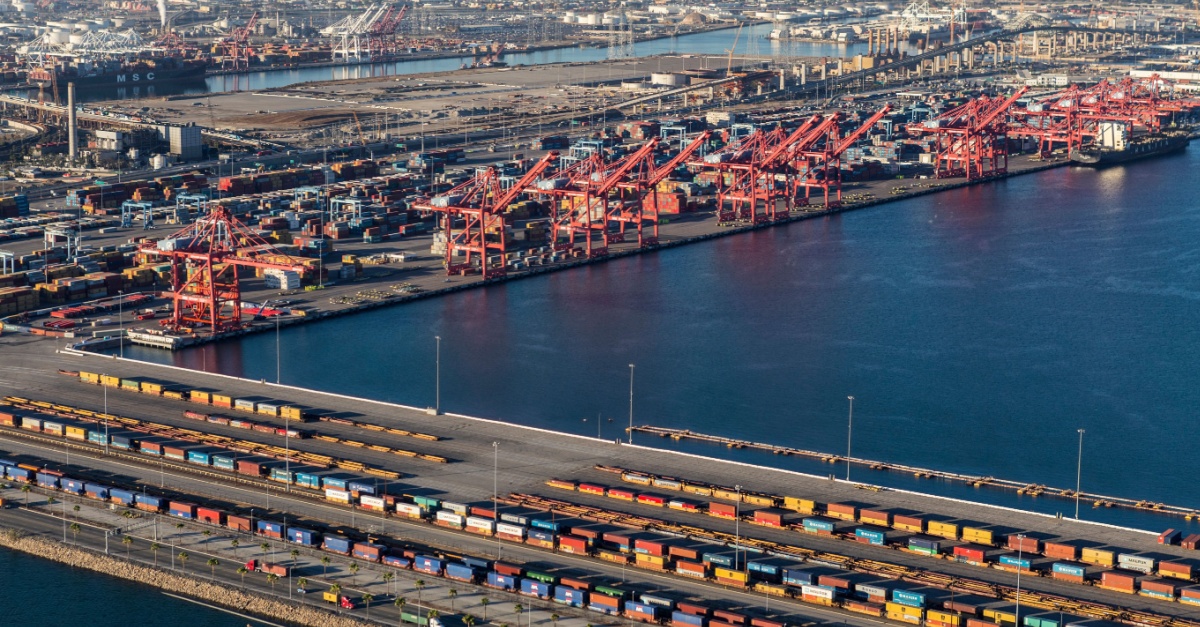
Most shippers focus on ports as far as their global supply chain operations are concerned. This means they measure efficiency by how fast cargo clears the terminal. However, that mindset can be limiting because what happens beyond the port matters more. It is the level of investment in the drayage and inland transportation process that determines whether freight arrives on time or piles up in storage.
For shippers operating in Long Beach and Los Angeles, it is not uncommon to see short-term delays create ripple effects that amount to long-term disruptions across the supply chain. To extend logistics reach, shippers must control the inland journey.
Southern California ports receive millions of containers yearly. However, as a shipper, moving those containers from the terminal to the warehouse is the real test of the logistics and freight process. Poor inland transportation and drayage planning can and will often lead to congestion, detention fees, and wasted labor. When trucks wait, money disappears.
A shipment that clears customs in 24 hours but sits in the yard for three days is not efficient. The value lies in the final delivery. That is where inland transportation and drayage earn their weight. Containers often travel 50 to 500 miles after discharge. Those moves slow down without clear routing, equipment planning, and scheduling.
A clear, thought-out strategy for the drayage and inland transport process solves this gap and keeps freight moving, drivers on the road, and customers satisfied.
Transloading increases load flexibility and efficiency. It helps retailers sort goods by region, and lets importers reduce total drayage mileage by combining shipments headed in the same direction. Shippers can take advantage of this by moving cargo from the port to a nearby transloading site as soon as it is cleared, then shifting those goods into domestic trailers for inland delivery.
This frees up ocean containers faster and reduces chassis demand. For example, a distributor operating out of Compton can improve delivery times using this method. Depending on the transloading location, the team can split one ocean container into two outbound trucks within three hours of port discharge.
Longer inland hauls benefit from intermodal freight transportation. Containers move by rail from Long Beach to Ontario, California, or Arizona terminals. From there, trucks handle the final leg. Rail-to-truck integration is vital because it leverages the best of both modes of transportation. Rail lowers the cost per mile, reduces emissions, and increases capacity when local trucking is congested.
For example, a shipper, say, a furniture importer, can save significant sums per load on average using this method. However, to take advantage of this, shippers must tightly align schedules. Delays at the port create missed rail connections. Partnering with a carrier experienced in both drayage and intermodal improves performance.
Cross-docking speeds up freight movement beyond ports. Leveraging this strategy, goods from multiple containers can arrive at a single facility, and all will be sorted and reloaded into outbound trailers within hours.
For example, a food distributor serving Southern California grocers can easily cut inventory holding by 22% through cross-docking. Products hit shelves faster with fewer damaged loads. This method works well for time-sensitive freight because it avoids long-term storage and maintains fast distribution cycles.
Pre-pulling means removing containers from port yards before their free time expires. Staging means holding those containers at a private yard or facility until ready for delivery. Combining both strategies helps avoid demurrage charges and improves scheduling flexibility.
A shipper moving apparel for the back-to-school season can pre-pull 60 containers and stage them over a week. Pulling that off may be complicated, but it can save the shipper in port fees and allow more control over final delivery timing. Pre-pull strategies require coordination. They work best with partners that have secure yards near the terminals and visibility tools to monitor staging inventory.
Success in inland transport and drayage depends on the right team. Many shippers lose time switching between carriers for drayage, transloading, and long-haul delivery. A single provider with control over all phases of movement reduces risk.
Look for:
Golden State Logistics offers full-service inland transportation strategies. From container transport inland to warehouse-to-warehouse trucking, GSL precisely connects port-to-inland logistics. We help shippers improve every inland move. Talk to us at GSL to see how your freight can travel farther, faster, and smarter.
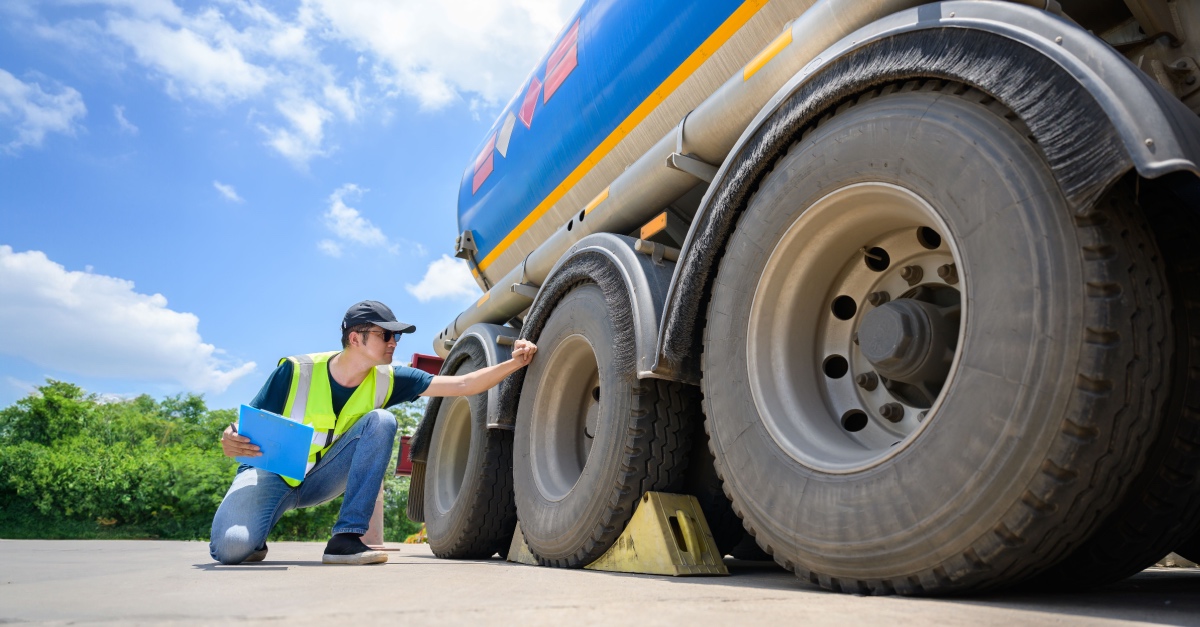
Moving goods across borders is just the first step in the logistics journey. What comes next is just as critical — ensuring those goods reach their final destinations within the country. This is where inland transportation becomes indispensable.
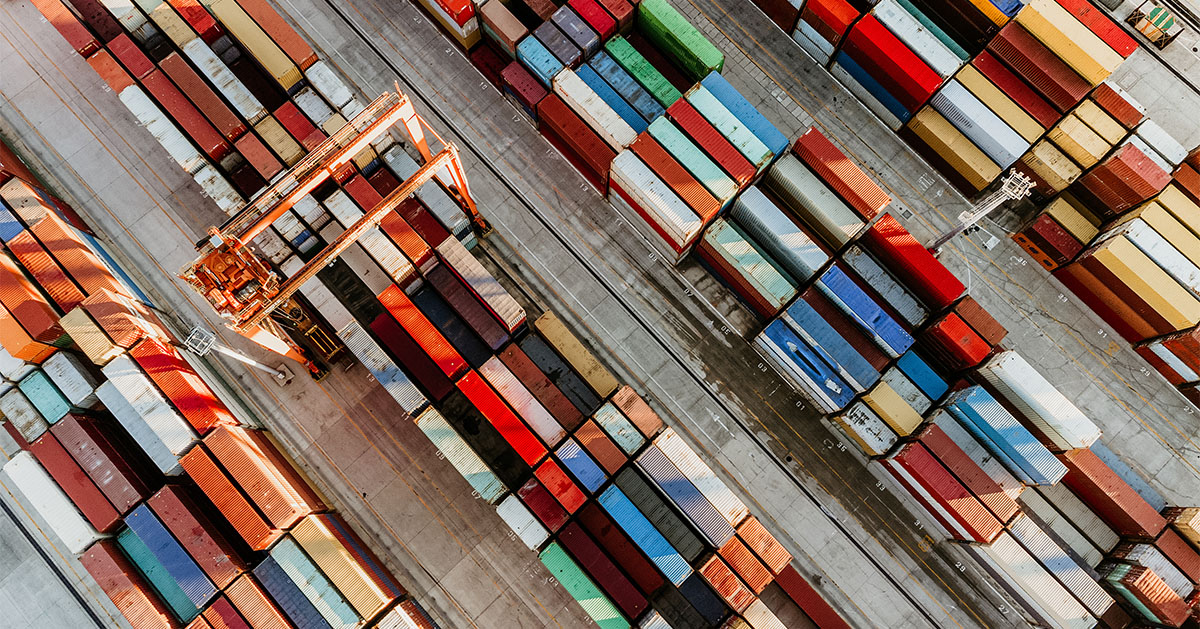
Barcode scans at receiving, yard sensors, and status feeds from the warehouse management system have turned a blind stretch into a timeline you can actually see.
2999 East Pacific Commerce Drive Rancho Dominguez, California 90221
Oakland, CA


