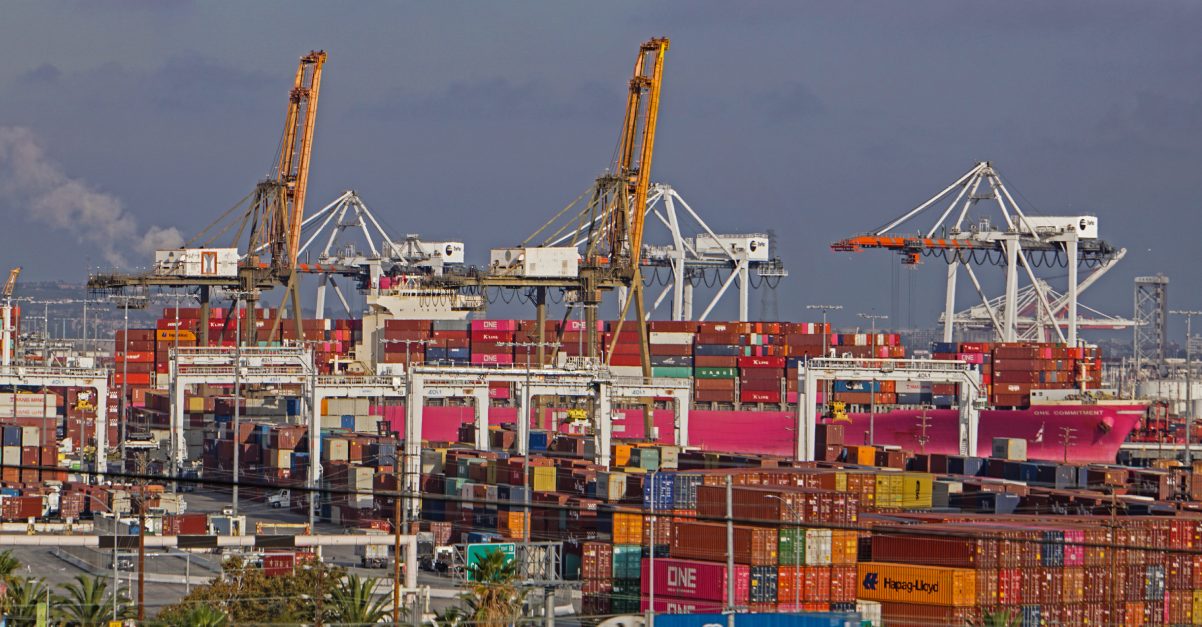
The San Pedro Bay port complex handled a record-breaking 20 million containers in 2025, despite the tariff uncertainties. Now say your shipment is one of the millions that will pass through the port in 2026. How would you track a container through the port? Most shippers think they have Long Beach port tracking or LA port tracking figured out, but in reality, what they have is a manual refresh habit and a prayer.
That gap between what you think you know and what you actually know is where demurrage charges, missed appointments, and late deliveries happen. This guide will take you through the steps to track cargo through the ports of LA and Long Beach, from free tools to system-level connections that provide purchase-order visibility instead of guessing container numbers.
Each marine terminal within the San Pedro Bay complex has its own tracking portal. You can enter a container number or bill of lading and get back all the information the terminal has on your container, including vessel ETA, discharge status, container availability, hold flags, and your last free day before demurrage charges start.
CargoNav, the new digital visibility platform evolved from the Supply Chain Information Highway project initiative, was launched in 2026 with public container track and trace at all six terminals at the Port of Long Beach. On the LA side, the Port Optimizer from Wabtec provides truck turn times, days-after-discharge counts, and empty return signals across all 12 San Pedro Bay terminals.
These are real tools with actual data and were made for terminal operators and truckers. The data is updated at the terminal level. But if, for instance, you need Long Beach port tracking or LA port tracking that feeds into your own replenishment or delivery planning cycle, a portal that’s refreshed once an hour won’t cut it because you may be responding to information that’s hours old by the time you see it.
Log into your carrier’s tracking system. Maersk, MSC, CMA CGM, ONE, Hapag-Lloyd, COSCO, and Evergreen all have standard tracking systems. Following that, enter your booking number or bill of lading. You’ll get vessel position, estimated discharge date, and a container event history showing when your box was loaded and when it was offloaded. It will also show details of transshipment if there was any.
The downside is that the carrier tracking system usually does not tell you anything about chassis availability, drayage appointment slots, terminal holds that pop up after discharge, or whether your trucker actually has a confirmed pickup window. For a system like the LA Port cargo tracking, the information gap between “discharged at terminal” and “on a truck heading to your warehouse” is exactly where shippers are losing money.
The demurrage for the San Pedro Bay terminals is around $150 to $300 per container per day in the first tier and jumps to $500 or more after day 10. You cannot control that exposure through a carrier portal alone.
Confirm whether your drayage provider has EDI or API connections to the terminals and carriers you work with. If they do, then they should be able to see data you are not seeing, such as gate-out timestamps, appointment confirmations, demurrage clock triggers, and hold and release updates that automatically hit their system without waiting for a phone call to the terminal.
If, like Golden State Logistics, their TMS is connected to the terminal API, they can pull container availability status without a human logging into a portal and copying to a spreadsheet.
If they don’t have those connections, they’re making the same phone calls you are, which means they are working with the same old data you already have. That is a problem, so make sure to ask the question before you sign the contract. The answer will tell you a lot about whether their Long Beach port tracking is a system or a person with a browser tab. In fact, it is probably the single most useful question you can ask in the vetting process because it separates the providers who have invested in infrastructure from those who have not.
For shippers moving enough volume through the San Pedro Bay complex, the real leap in visibility comes from structured data links. EDI (Electronic Data Interchange) and API (Application Programming Interface) links between your drayage provider’s TMS and the terminals and carriers create a different kind of Long Beach Port tracking or LA port tracking where instead of logging and searching, the data comes to you.
Vessel discharge confirmations, container availability flags, appointment creation and confirmation, gate-in and gate-out timestamps, and demurrage-clock triggers all flow into the TMS as events. When a drayage company moves to a TMS with this type of connectivity, Port tracking becomes automatic. The data populates dashboards, and you get alerts when a container becomes available or when free time is about to expire.
EDI is only as good as the data that the terminal transmits. For instance, LBCT could push an availability update every 15 minutes, which is close enough to live for most dispatch decisions. But another terminal at the same port could take hours to do the same. That can seriously impede your visibility expectations.
Not all data you want is exposed through every terminal’s API. For example, Long Beach port EDI tracking is a real improvement over doing it by hand, but it’s not a perfect mirror of what is happening on the ground in real time.
The term “real time” is a bit of a misnomer in this industry. What you get, really, is near-time structured data. Nonetheless, it is a big improvement over a phone call or a portal refresh.
All of the above tells you where a container is located, which is helpful. However, a shipper in Dallas is not just looking at a container; they want to know about their purchase orders, their SKUs, and their commitments to retailers.
That means that if you are managing compliance deadlines or multi-container orders that are splitting across vessels, container-level tracking alone will not answer the real questions you have because you do not just need to know where container MSCU7234861 sits. You need to know the location of the 2,400 units of SKU-4419 linked to Purchase Order 88712 and if they will make your DC receiving window on Thursday.
PO-level tracking links container moves with purchase orders and delivery commitments, turning tracking from a logistics status check into a planning tool. Your customer service team can confirm delivery timing with the buyer instead of saying “let me check and call you back” when they see PO 88712 is on a container that gated out of LBCT at 6:14 a.m. and is on its way to your Inland Empire warehouse. Ultimately, you make better decisions when you can see your freight.
Most drayage providers that offer tracking solutions are merely referring to container pings. A dot on a map or a status in a portal. PO-level visibility is another thing, and it makes enough of a difference that you should ask any provider exactly what they mean before you assume you’re getting it. When you hear the phrase “real-time tracking,” ask yourself: tracking of what? The box? Or the orders in it?
Golden State Logistics, which uses a Trinium-based TMS to track its containers, has direct EDI and API connections to San Pedro Bay terminals and ocean carriers. The system brings the availability status, appointment data, hold flags, and demurrage triggers into dashboards for dispatch and customer service.
The dispatch team can see readiness for pickup, appointment windows, and prioritized driver assignments, instead of being buried in a list of every container at the port. The customer service team can see the PO-level status, where the container is, and the estimated time of delivery.” Both teams are reacting to the same data, and neither is updating a terminal website.
The LA port cargo tracking setup links container-level information with purchase orders so a customer service rep can answer a shipper’s question about a given PO, not just a container number. Custom dashboards surface what each role needs without burying it in data that belongs to someone else’s workflow. GSL’s approach to tracking the Long Beach port is grounded in a simple idea: say what you see, and be honest about what you don’t — delivered on promised features.
Tracking is a decision support tool. The question was never could you see your container. It’s whether you can spot enough to act before a problem becomes a cost. Connect with us to see how we can help run your logistics operations with impeccable visibility into freight movements.
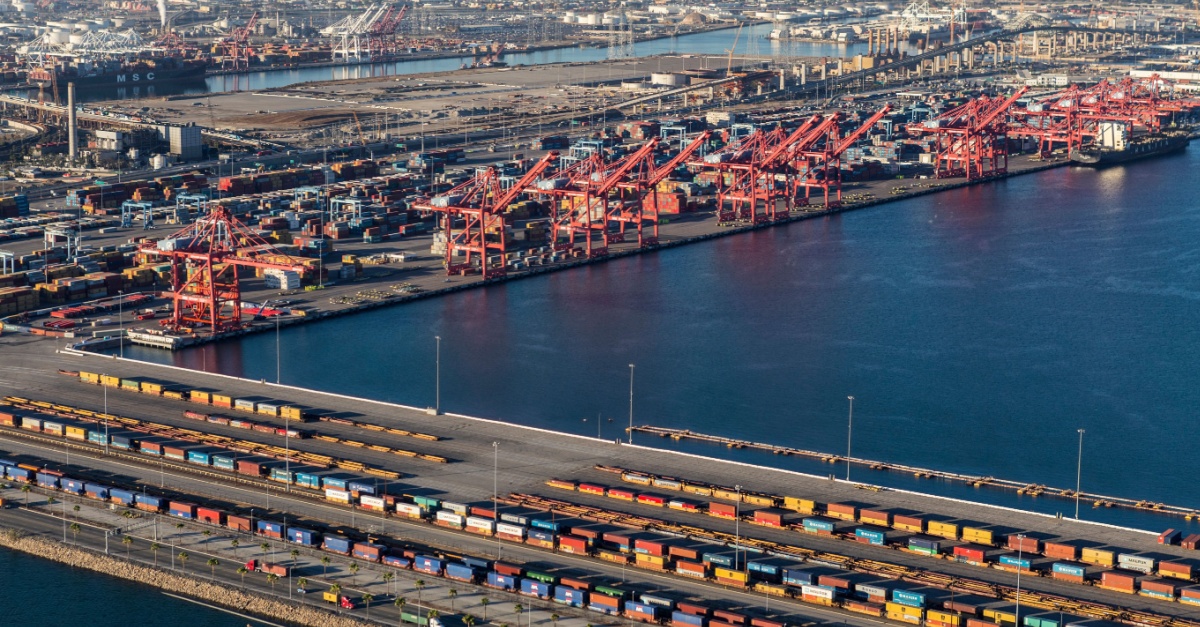
For shippers operating in Long Beach and Los Angeles, it is not uncommon to see short-term delays create ripple effects that amount to long-term disruptions across the supply chain.
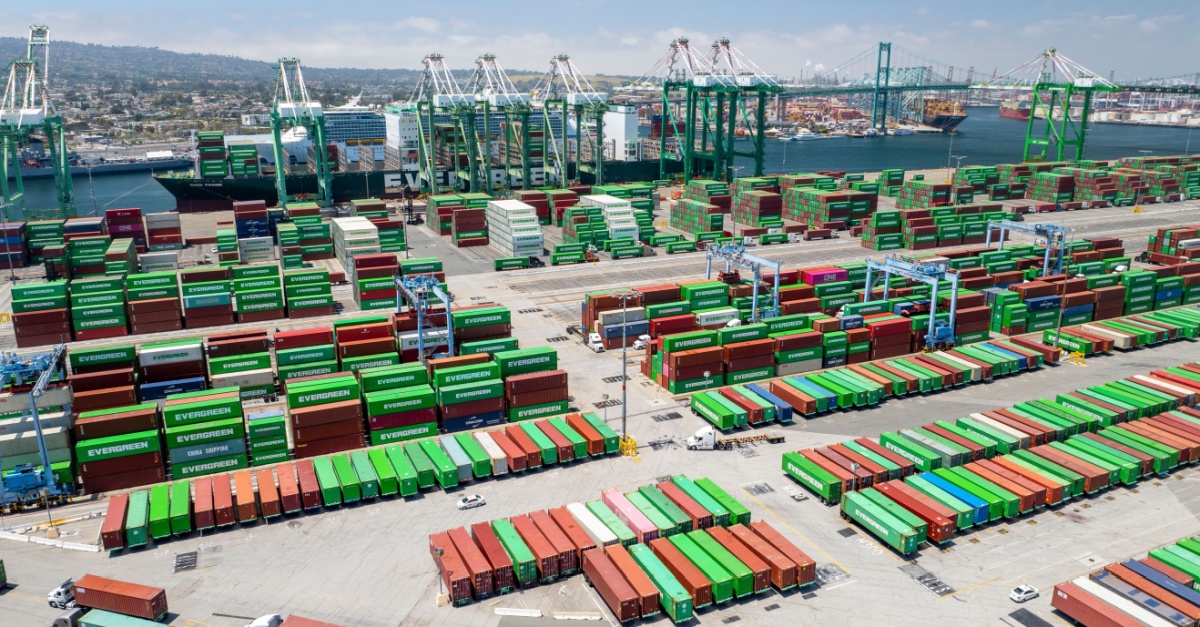
The cost of delays at ports is not just about time. Delays create additional costs and ripple effects that can find their way down the entire supply chain operation.
2999 East Pacific Commerce Drive Rancho Dominguez, California 90221
Oakland, CA


